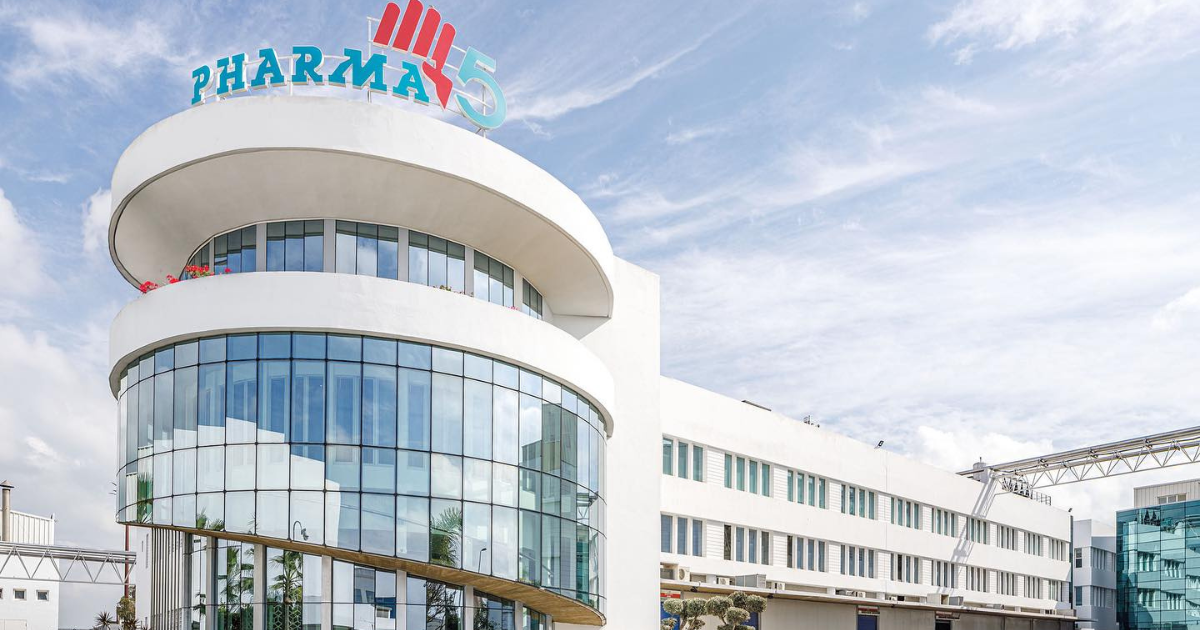
The pharmaceutical company has unveiled the first anti-epileptic treatment produced under the country’s regulated national supply chain.
The medical and industrial utilisation of national agricultural resources has reached a major scientific milestone in the Kingdom. On Thursday 12 November 2026, the Moroccan pharmaceutical company Pharma 5 officially launched the first anti-epileptic medicine entirely designed and manufactured in the country using medicinal cannabis, alongside the production of the first national active pharmaceutical ingredient extracted from this plant. This dual technological breakthrough comes at the end of five years of research and development, supported by a total investment exceeding two hundred million dirhams. The active ingredient developed consists of cannabidiol purified to over ninety-eight per cent, strictly complying with the rigorous standards of the European Pharmacopoeia, and intended for the therapeutic management of severe forms of epilepsy that are refractory to conventional treatments.
Full control of the value chain in the Rif
The scope of this project is based on the full integration of the production stages, from upstream agricultural activities through to final pharmaceutical packaging. Operating within the legal framework established by Law 13-21 governing the lawful uses of cannabis, the initiative draws on more than forty hectares of regulated crops in the Rif region. The scheme has already enabled the processing of over one hundred tonnes of plant biomass in accordance with international pharmaceutical standards, ensuring the extraction, purification and formulation of the finished product within the country, thereby demonstrating the local pharmaceutical industry’s capacity to develop complex, high value-added molecules.
Benefits for rural development and health sovereignty
The local roots of this medical sector generate direct socio-economic benefits for farming communities in the northern provinces by providing legal, structured and sustainable opportunities for seventy farming families in the Rif. From a health and industrial perspective, this achievement strengthens the Kingdom’s pharmaceutical self-sufficiency by facilitating access for national patients to innovative treatments at a controlled cost, whilst positioning the local medical industry on international export markets. By combining cutting-edge scientific research, the inclusion of small-scale rural producers and rigorous regulatory standards, the country is consolidating its biotechnological expertise and harnessing the human capital of its researchers and technicians.