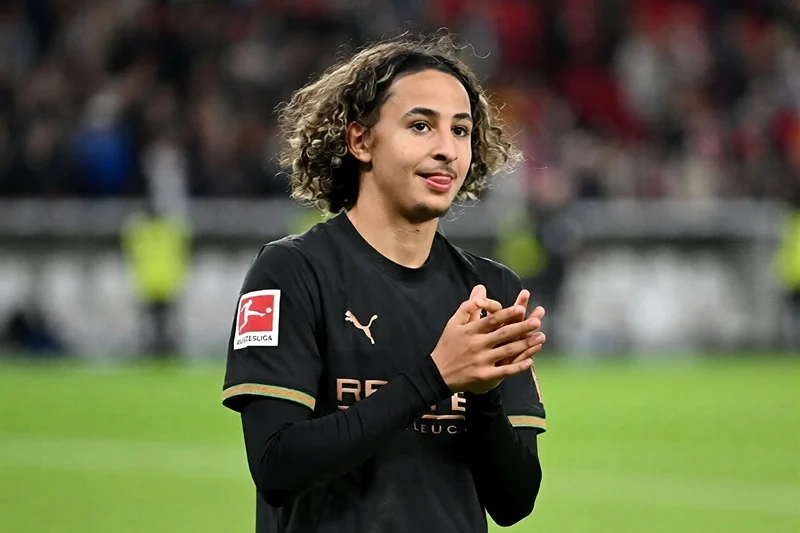
At 17, the Borussia Mönchengladbach talent could break a 72-year-old national record.
The emergence of young dual nationals who have come through the ranks in Europe’s top leagues continues to captivate the international sporting scene. Born in Germany to Moroccan parents, Borussia Mönchengladbach attacking midfielder Wael Mohya has just been selected by manager Jürgen Klopp for the 24-man squad called up to the German national team to play the final Nations League matches against Serbia and the Netherlands. At the age of seventeen years and three hundred and seventeen days, the young German-Moroccan prodigy is set to become, this Friday 13 November 2026 in Belgrade, the youngest German international of the post-war era, beating the historic record set by Uwe Seeler in October 1954. This call-up to the senior squad rewards a meteoric rise in the Bundesliga, where he has distinguished himself in recent months by becoming both the youngest player and the youngest goalscorer in his club’s history during a match against Bayern Munich.
A sporting decision closely monitored by the national federation
This first call-up to the Mannschaft comes against a backdrop of fierce competition between national teams to attract talent from the diaspora. Approached by the Royal Moroccan Football Federation, which wanted to bring him into the Atlas Lions’ programme, the Mettmann-born player ultimately accepted the German manager’s call-up after progressing through the youth ranks of his country of birth. Whilst this decision represents a significant milestone in the player’s young career, FIFA’s international regulations nevertheless include provisions allowing, subject to certain conditions regarding age and the number of official appearances, for a potential change of sporting nationality before he turns twenty-one.
Implications for the diaspora and the profile of the national talent pool
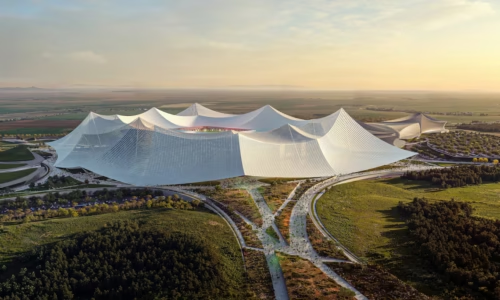
The early success of an athlete of Moroccan origin within one of the world’s most prestigious football teams highlights the quality and depth of the talent pool drawn from the diaspora in Europe. These stories of excellence bear witness to the discipline and talent of the younger generations with dual nationality, strengthening the cultural ties between the Kingdom and its communities abroad. At the same time, the expansion of national sports infrastructure and the hosting of major international competitions by 2030 continue to provide the country’s sporting bodies with strong arguments for promoting their appeal to future leaders in world football.