AFCON 2025: Morocco Ready to Welcome Africa in 100 Days
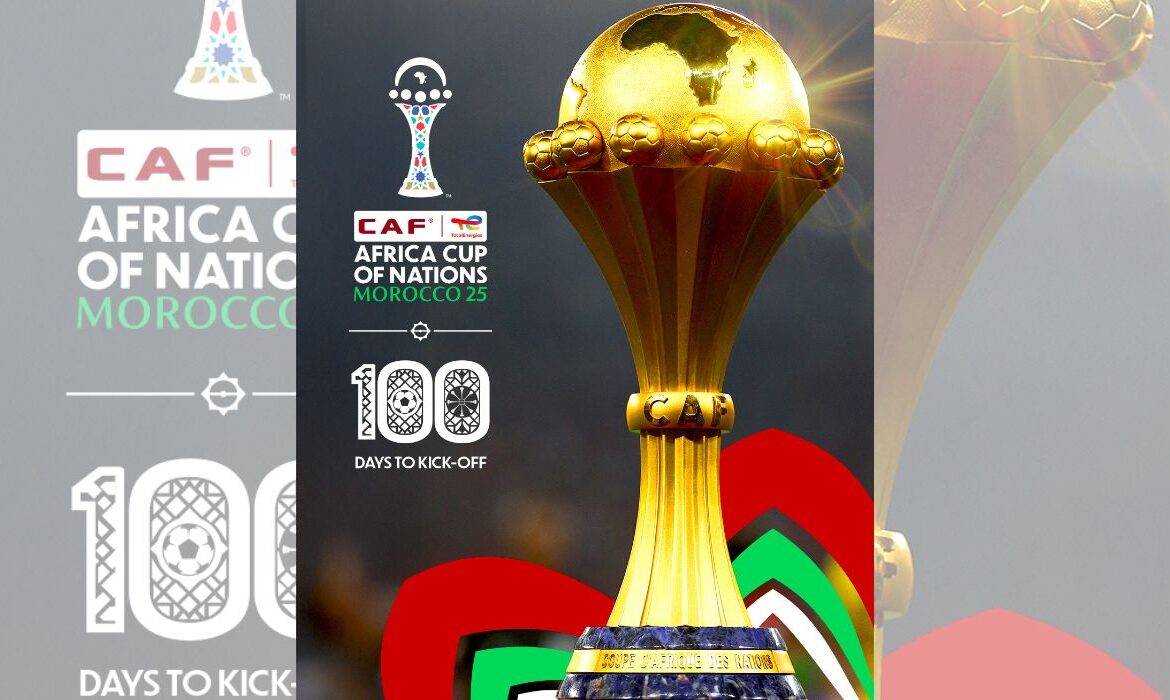
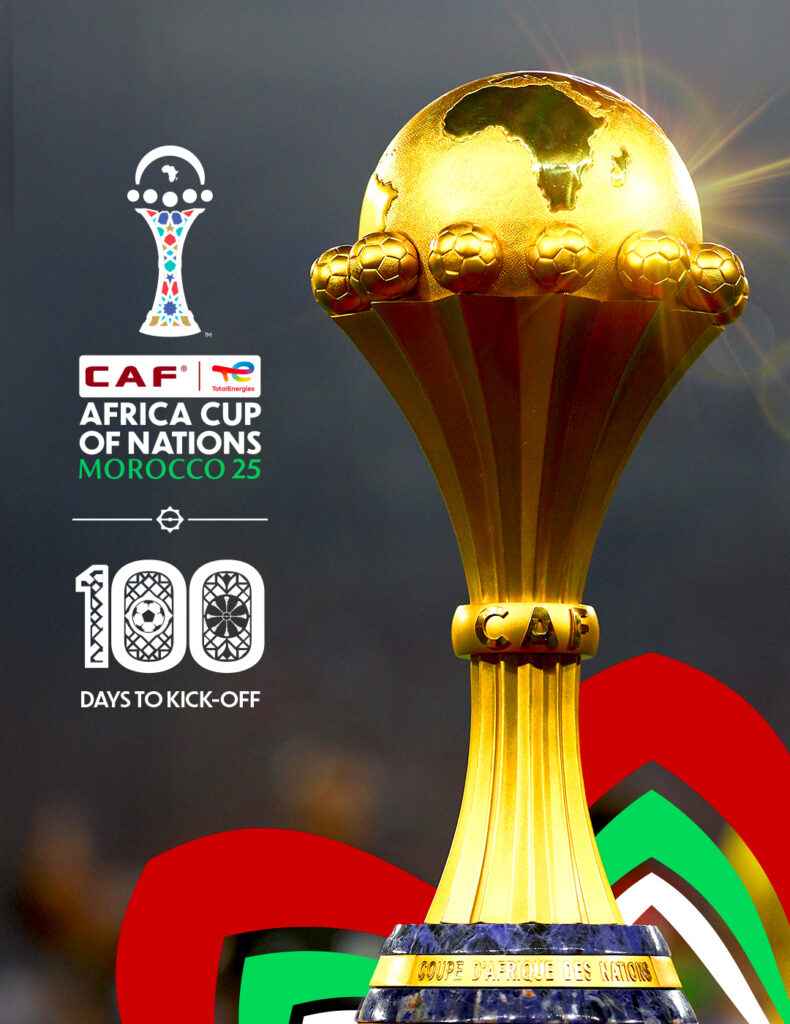
The 2025 Africa Cup of Nations is fast approaching: in exactly 100 days, Morocco will host one of the continent’s most prestigious sporting events. The highly anticipated 35th edition is set to officially kick off on December 20, 2025.
This Friday, September 12, marks a symbolic milestone in the countdown to this major African football event. The Confederation of African Football (CAF), national teams, fans, and organizers are intensifying preparations to deliver what the host country promises will be an “emblematic, unique, and majestic” tournament.
Morocco, renowned for its solid sports infrastructure and proven experience in hosting international events, is gearing up to welcome Africa’s top teams across several cities, including Casablanca, Rabat, Marrakech, Fès, and Agadir. CAN 2025 is set to be a landmark moment on the African sports calendar, combining high-stakes competition, passionate crowds, and global visibility.
CAF launches official ticketing website for 2025 Africa Cup of Nations in Morocco
The Confederation of African Football (CAF) has officially launched the website dedicated to ticket sales for the 2025 Africa Cup of Nations (CAN), scheduled to take place in Morocco from December 21, 2025, to January 18, 2026.
Although ticket sales have not yet begun, this platform is an important first step for fans wishing to attend one of the continent’s biggest sporting events. Fans can now register on the website to receive all the official information about the sales schedule and booking procedures.
The link is as follows : https://tickets.cafonline.com/en
This approach aims to ensure better organization and avoid any inconvenience associated with the high demand expected. The early launch of this site also allows for the centralization of all ticket-related operations, ensuring greater transparency and security for buyers.
The 2025 AFCON in Morocco promises to be an exceptional edition, featuring the best African teams and played in modernized stadiums, including the new sports complex in Rabat and the future Grand Stade de Casablanca.
With this initiative, CAF and the Moroccan organizing committee are demonstrating their commitment to putting fans at the heart of the competition and offering a seamless and accessible experience that lives up to the event.
Here is the website : https://tickets.cafonline.com/en
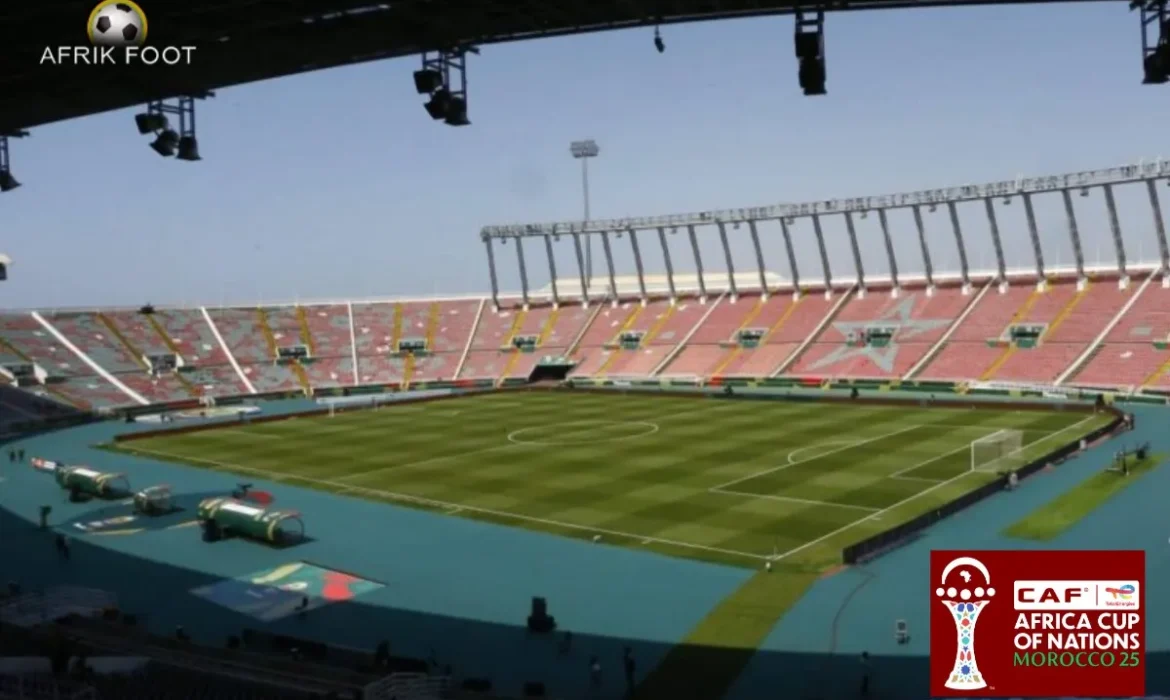
The stadiums for the 2025 Africa Cup of Nations in Morocco
With the 2030 World Cup approaching, Morocco, as co-host alongside Spain and Portugal, has launched its infrastructure revolution with the aim of building the best stadiums. The first full-scale test will be the 2025 Africa Cup of Nations, just a few months away, with nine stadiums in six cities now ready for competition. This is the first time such a complex will be set up for an Africa Cup of Nations tournament.
Prince Moulay Abdellah Stadium (Rabat)
The pride of the kingdom’s political capital, the Prince Moulay Abdellah Stadium, built in 1983, has undergone numerous renovations to remain on par with the largest African venues. For the 2025 Africa Cup of Nations, work has focused on installing a latest-generation hybrid turf, completely updating the stands, modernizing the VIP boxes, and renovating the media areas.
Already accustomed to hosting major events, it hosted the final of the 2022 Women’s Africa Cup of Nations and matches of the 2023 Club World Cup. FAR Rabat plays there regularly, and the stadium is also one of the venues for the 2030 World Cup. It will be the venue for the opening match, guaranteeing an exceptional atmosphere.
In the meantime, the match between Morocco and Niger on the seventh day of qualifying for the 2026 World Cup will be the stadium’s first event since its reopening on September 5.
Grand Stade de Marrakech
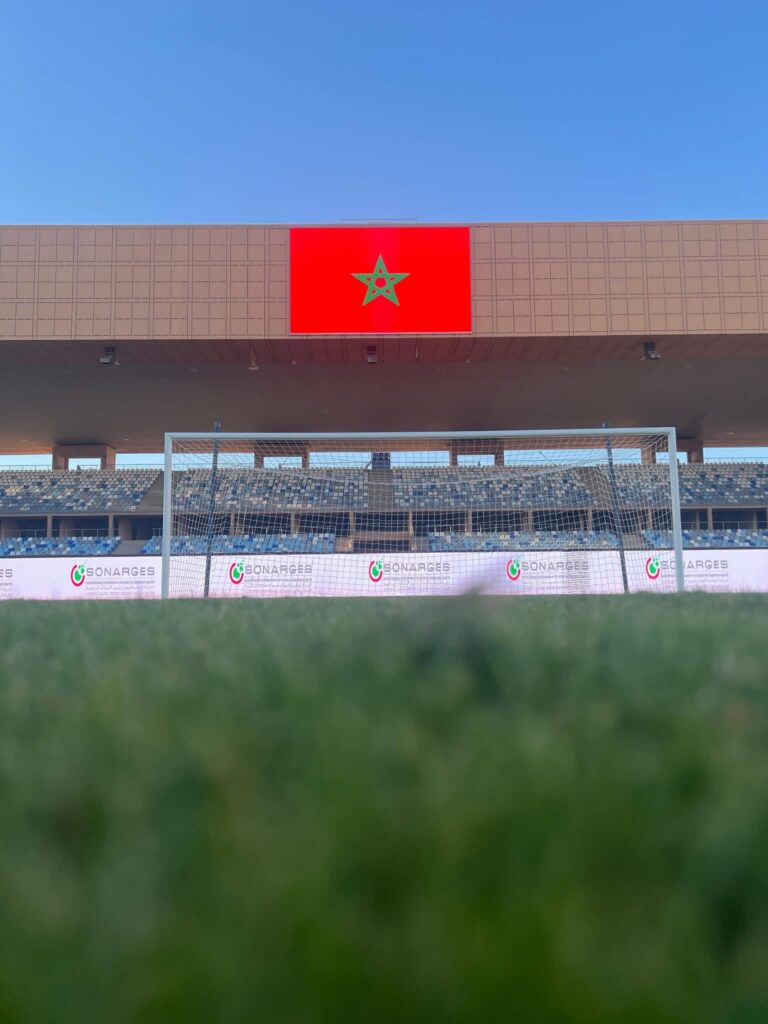
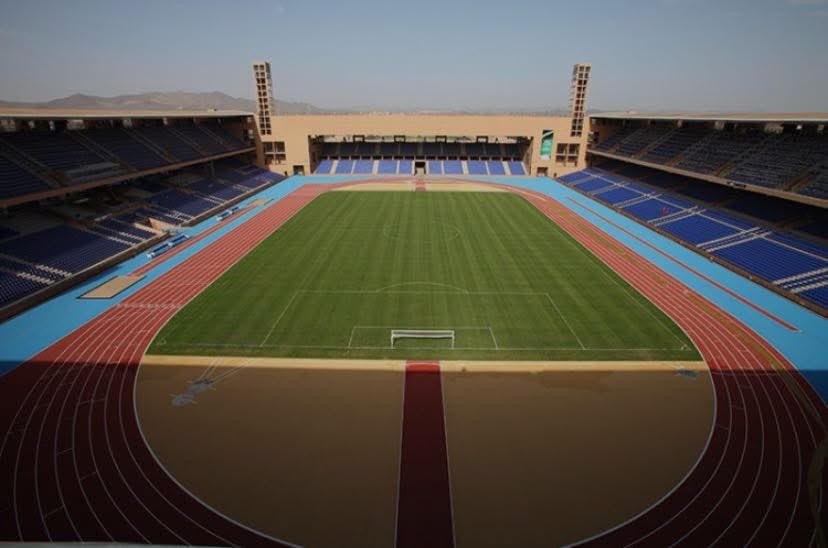
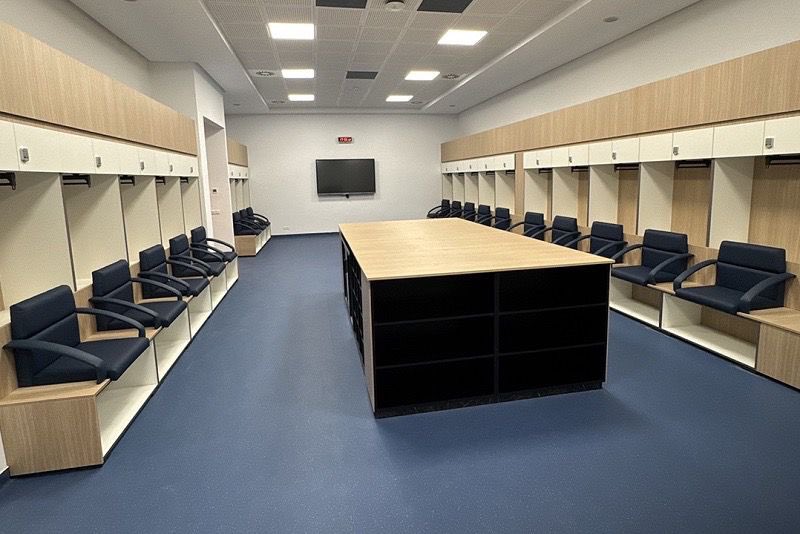
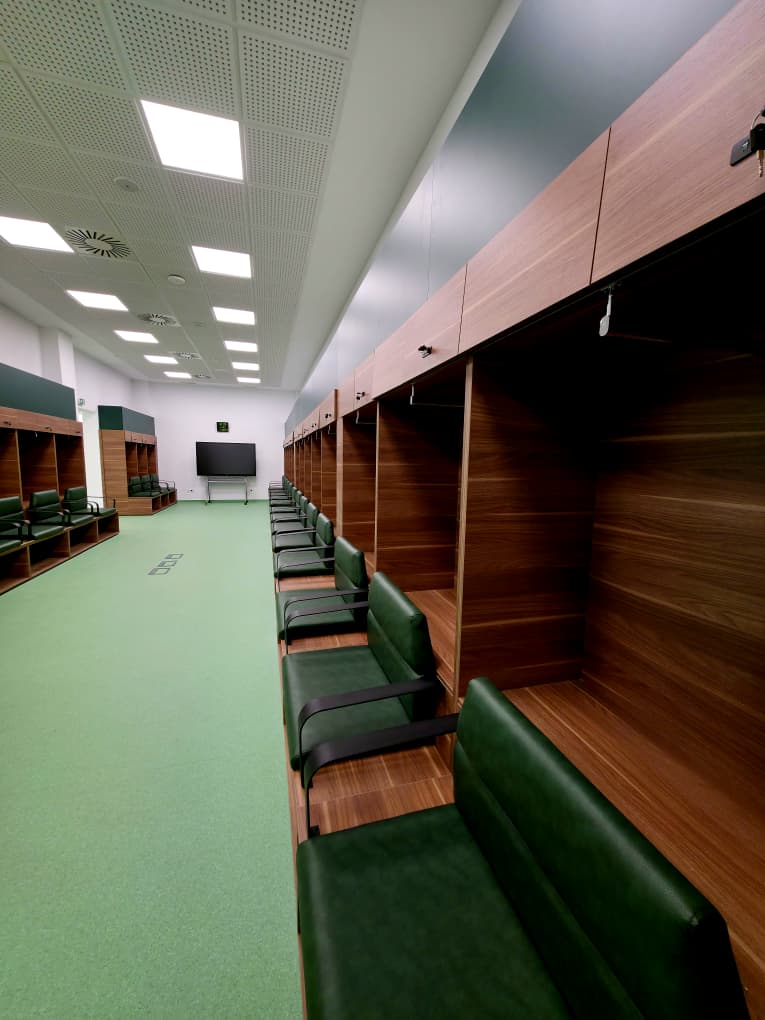
Opened in 2011, the Grand Stade de Marrakech is one of the most beautiful complexes in the Maghreb, nestled at the foot of the Atlas Mountains. For the 2025 Africa Cup of Nations, the “Ochre City” has strengthened its infrastructure by improving security, modernizing the changing rooms, and optimizing the VIP areas. This stadium has already hosted African Champions League matches and Botola Pro fixtures as the home ground of Kawkab Marrakech. It will welcome several major nations throughout the group stage, ensuring record attendance in a city renowned for its fervor and hospitality.
Capacity: 45,000 seats
Completion date: June 10, 2025
Teams: Angola (2 matches), Zimbabwe (2 matches), South Africa (2 matches), Ivory Coast (3 matches), Gabon, Cameroon, Mozambique, one eighth-final, one quarter-final.
Mohammed V Stadium (Casablanca)
The legendary Mohammed V Stadium, nicknamed “Donor” by the people of Casablanca, is the soul of Moroccan soccer. Built in 1955, it has been modernized several times, most recently for the 2025 Africa Cup of Nations, with a complete facelift of the stands, LED lighting upgrades, and media areas worthy of major international competitions. Home to Raja and Wydad, this stadium is a volcano on match nights. It has hosted many major events, including the Club World Cup.
Capacity: 67,000 seats
Completion date: operational before 2025
Teams: Mali, Zambia, Comoros (2 matches each), Burkina Faso, Equatorial Guinea, Sudan (2 matches each), one eighth-final, third-place play-off
Moulay El Hassan Stadium (Rabat)
Located in the capital, the Moulay El Hassan Stadium is named after the crown prince and has been completely modernized for the 2025 Africa Cup of Nations. Now able to accommodate nearly 22,000 spectators after its renovation, it has been fitted with a brand new roof, a high-end turf, and a state-of-the-art LED lighting system. It is also scheduled to host the 2030 World Cup. Its versatility will enable it to host major athletics competitions in the future. Initially, it only hosted Botola and Moroccan Cup matches as the home ground of FUS Rabat.
Capacity: 22,000 seats
Completion date: end of August 2025
Teams: Algeria (3 matches), Mozambique, Sudan, Burkina Faso, one round of 16 match
Al Barid Stadium (Rabat)
The capital’s new stadium, Al Barid Stadium stands out for its more modest size but optimal comfort. Built specifically to strengthen Rabat’s stadium offering, it is primarily intended for group matches. Its compact architecture guarantees a warm atmosphere close to the pitch.
Capacity: 18,000 seats
Completion date: end of August 2025
Teams: DR Congo (2 matches), Benin, Botswana, Uganda, Tanzania, one round of 16 match
Adrar Stadium (Agadir)
Opened in 2013, Adrar Stadium is the jewel of southern Morocco. Known for hosting the U17 Africa Cup of Nations and the Club World Cup, it is home to Jeunesse Sportive d’Agadir. For the 2025 Africa Cup of Nations, work has focused on modernizing access, enhancing security, and upgrading media facilities. It will also feature on the list of stadiums for the 2030 World Cup.
Capacity: 45,000 seats
Completion date: June 10, 2025
Teams: Gabon (2 matches), Cameroon (2 matches), Mozambique (2 matches), Egypt (3 matches), Angola, Zimbabwe, South Africa, one eighth-final, one quarter-final
Fez Sports Complex Stadium
The Fez Stadium, inaugurated in 2007, is a benchmark for soccer in the center of the country. Home to MAS Fez, it has already hosted Throne Cup finals and major Botola matches. For the 2025 Africa Cup of Nations, it has benefited from an optimized pitch and a redesign of the stands for greater comfort. It has also been selected for the 2030 World Cup.
Capacity: 45,000 seats
Completion date: June 10, 2025
Teams: Nigeria (3 matches), Uganda, Tanzania, Tunisia, one round of 16 match
Ibn Batouta Stadium (Tangier)
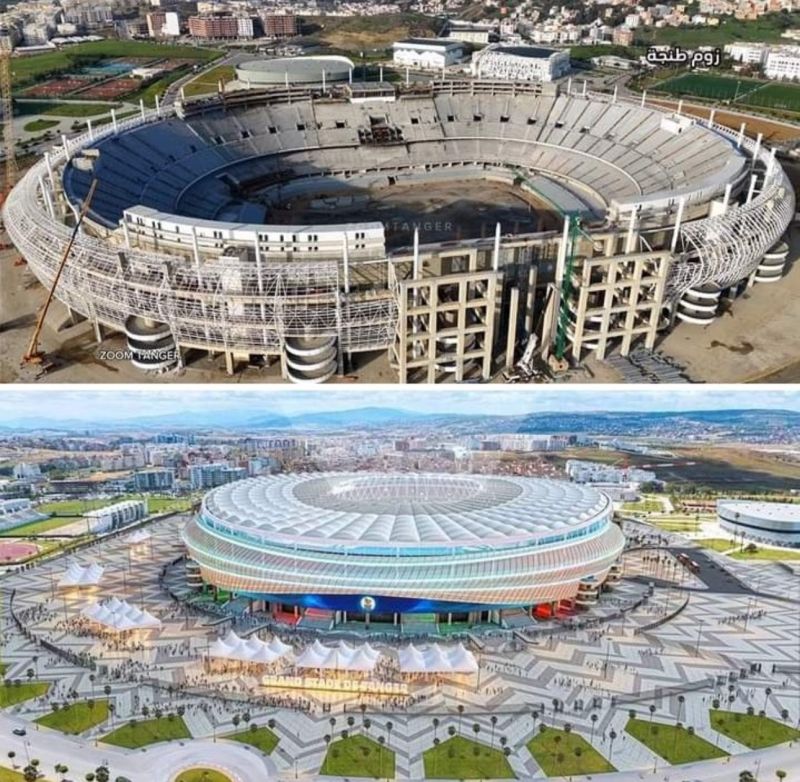
With a capacity of 75,600, the Grand Stadium of Tangier, named after the legendary Moroccan explorer Ibn Batouta, is one of the largest venues in Africa. Built in 2011, it was recently transformed to remove the athletics track and bring the stands closer to the pitch. Home to Ittihad Tangier, it has hosted prestigious matches such as the Spanish Super Cup and the former Club World Cup. It will be a key venue for the 2025 Africa Cup of Nations and the 2030 World Cup. For the World Cup, it is set to be expanded further, with a capacity of around 100,000.
Capacity: 75,600 seats
Completion date: September 2025
Teams: Senegal (3 matches), Botswana, DR Congo, Benin, one eighth-final, one quarter-final, one semi-final
Rabat Olympic Stadium (Moulay Abdellah Annex)
An annex of the large Moulay Abdellah complex, the Olympic Stadium is a more intimate venue that has been completely renovated for the Africa Cup of Nations. With a capacity of 21,000, it will provide the ideal setting for group matches, where the proximity to the pitch will thrill spectators.
Capacity: 21,000 seats
Completion date: August 2025
Teams: Tunisia (2 matches), Uganda, Tanzania, Benin, Botswana
Some photos
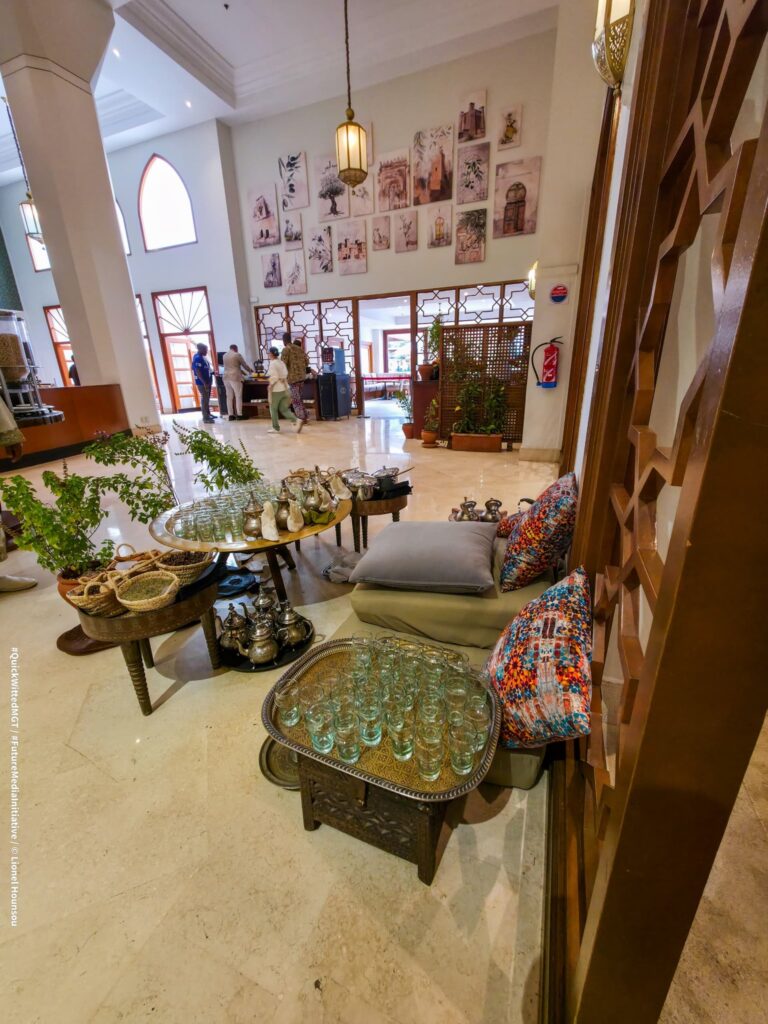
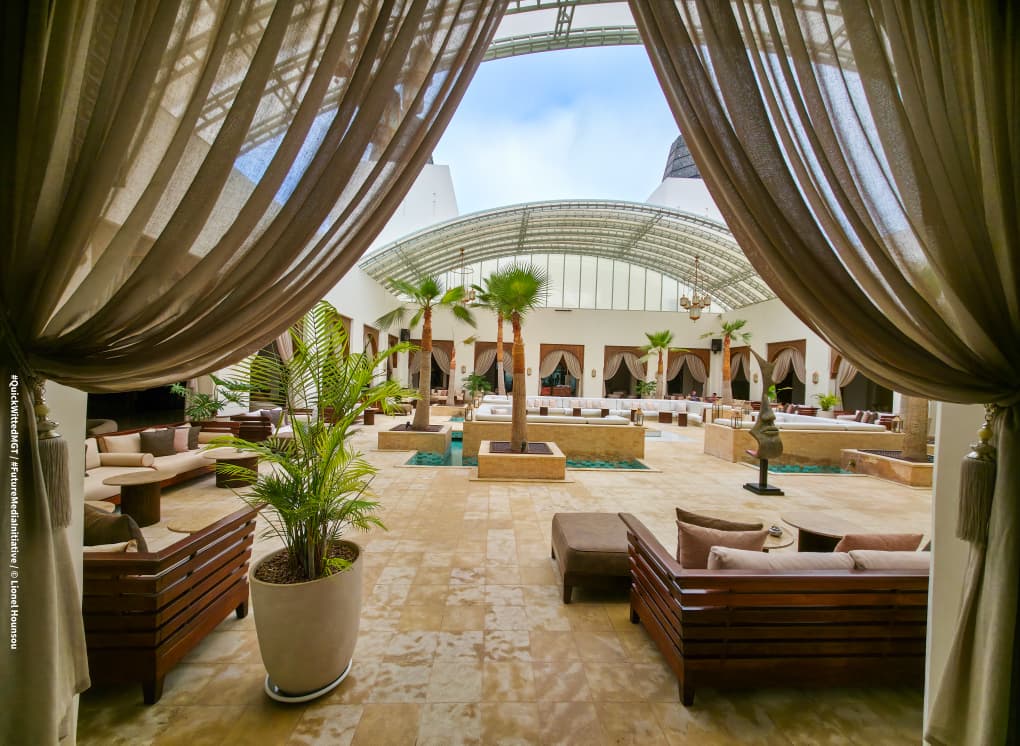
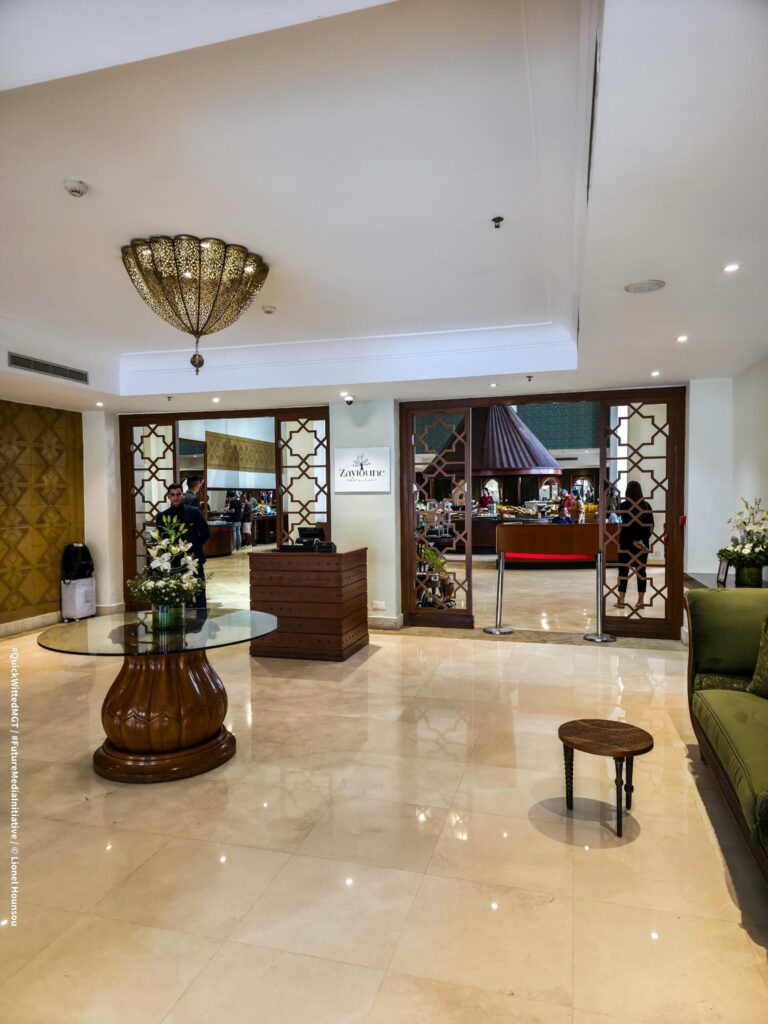
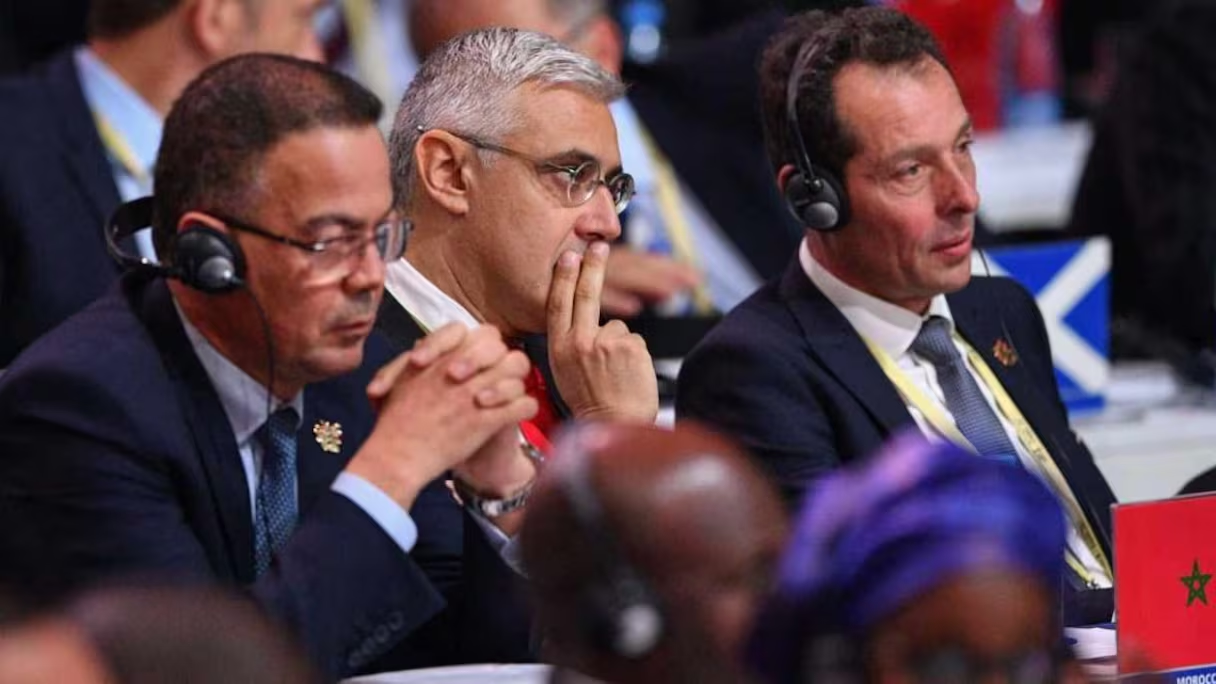
Tarik Najem : “Morocco confirms its role as a hub for world football” ahead of the 2025 Africa Cup of Nations and the 2030 World Cup
An international gathering focused on soccer and the media
Morocco is consolidating its role as a strategic hub for world soccer, with the 2025 Africa Cup of Nations and the 2030 World Cup approaching. More than 200 representatives from international media outlets and content creators gathered in Rabat as part of the Future Media Initiative (FMI). The aim was to bring together traditional journalists and digital influencers, while promoting football as a force for peace and African solidarity.
The royal vision put forward by Tarik Najem
During the meeting, Tarik Najem, Secretary General of the Royal Moroccan Football Federation (FRMF), emphasized the importance of the event:
« We are experiencing a powerful moment with the convergence of voices and perspectives from around the world. This international conference, dedicated to the role of football in economic and diplomatic development, is fully in line with the vision of His Majesty King Mohammed VI, for whom sport is a lever for development and rapprochement between nations. «
A commitment to unprecedented competitions
Morocco has reaffirmed its ambition to offer a unique experience at upcoming major sporting events. According to Tarik Najem: “The Kingdom of Morocco is working to ensure a unique experience for players, fans, professionals, the media, and partners alike. We hope you have seen the considerable efforts made by the Kingdom to modernize its stadiums, strengthen its infrastructure, and improve its organization in preparation for hosting the 2025 Africa Cup of Nations and then the 2030 World Cup.”
Focus on the 2025 Africa Cup of Nations and the 2030 World Cup
The Kingdom is continuing its preparations to ensure a historic edition of the 2025 Africa Cup of Nations and to actively contribute to the organization of the 2030 World Cup. The modernization of stadiums, the upgrading of infrastructure, and the improvement of sports facilities are the pillars of this strategy.
For Tarik Najem, these competitions go beyond the simple framework of sport : “We look forward to seeing you at this major event, which is not only about the history of soccer, but also about cooperation and friendship between our nations.”
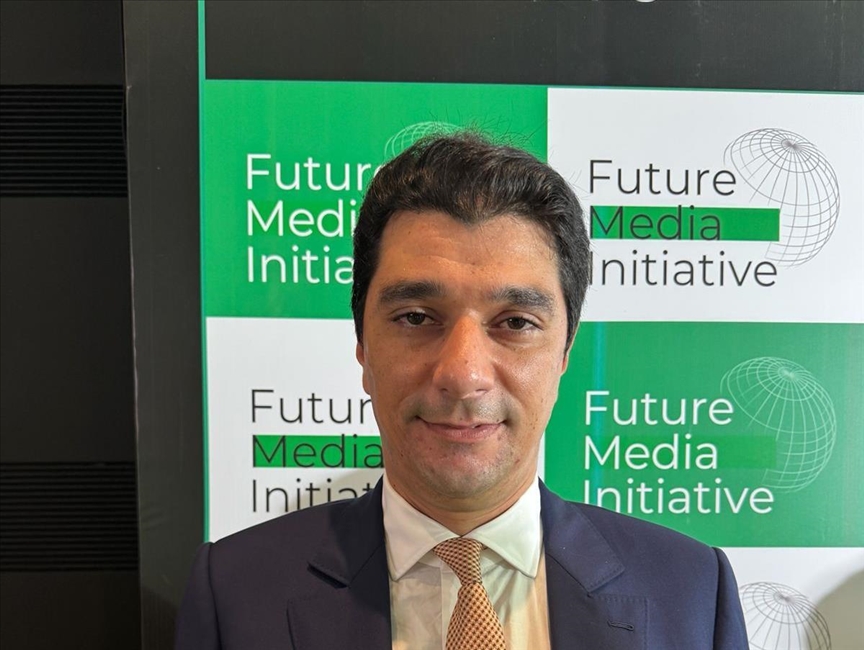
CAN 2025 and World Cup 2030: Omar Khyari affirms Morocco’s leadership on the soccer scene
More than 200 media outlets gather in Rabat
With the 2025 Africa Cup of Nations and the 2030 World Cup approaching, Morocco is strengthening its status as a global football hub. More than 200 representatives from international media outlets and content creators gathered in Rabat as part of the Future Media Initiative (FMI). The goal: to create unprecedented synergy between traditional journalists and new influencers, and to use sport as a vehicle for peace and African solidarity.
Unprecedented international participation
The meeting brought together 214 participants, including 50 Moroccans, from Europe, Africa, America, and Asia. This diversity was welcomed by Omar Khyari, Advisor to the President of the Royal Moroccan Football Federation (FRMF): “We brought the media together to prepare for the 2025 Africa Cup of Nations and the World Cup. Morocco is now positioning itself as a continental and global hub for football.”
Media and content creators working hand in hand
The summit’s originality lies in bringing together traditional editorial teams and digital creators. According to Omar Khyari:
« Content creators are, in a way, the new media. Even though they reach different audiences, they have a different code of ethics. «
The challenge is to bring these two complementary worlds closer together, building a common message while respecting the diversity of approaches. Rabat is thus becoming a laboratory for a new kind of sports journalism that is more connected and global.
Sustainable development and royal vision
Beyond the media debates, participants discovered Morocco’s infrastructure for hosting major competitions. Omar Khyari explains:
« Morocco has a long-term development strategy that does not depend solely on hosting competitions. «
This strategy is illustrated by the high-speed train linking Casablanca to Tangier, but also by investments in ports, hotels, health, and energy. It is a multi-sector vision led by His Majesty King Mohammed VI, which positions the country as a global player already ready to host world football.
Football as an instrument of peace
The FMI goes beyond the sporting arena to become a platform for media mobilization in favor of peace and African solidarity. Omar Khyari emphasizes : “We want the media to be mobilized for peace and global African solidarity around the World Cup.”
Morocco is thus placing soccer at the heart of its diplomatic strategy, using it as a lever for sustainable development and a tool for international unity.
A global media alliance under Moroccan leadership
The Rabat conference marks the birth of an international media alliance led by Morocco. With a view to the 2025 Africa Cup of Nations and the 2030 World Cup, this dynamic places Africa at the center of a new sports and media diplomacy, transforming competitions into platforms for peace, development, and global influence.
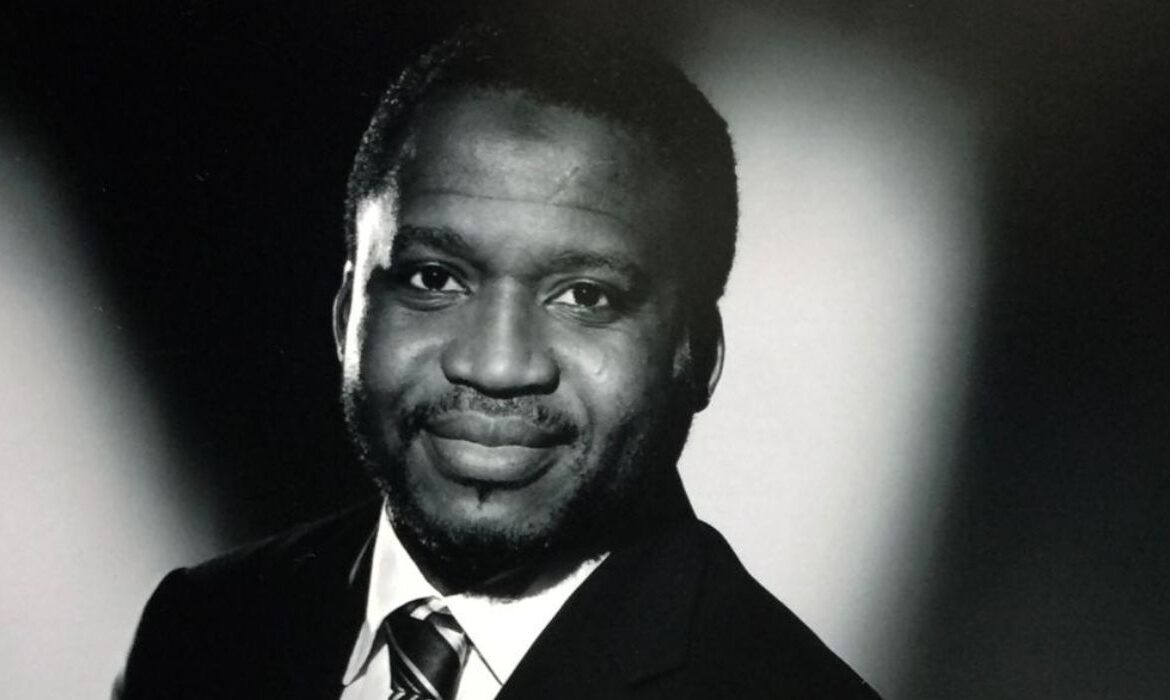
Zul Ngoufonja Zelkifli at the Future Media Initiative in Rabat: towards new media powers by 2030
A strategic meeting for the future of the media
This Thursday, the Sofitel Rabat Jardin des Roses will host the Future Media Initiative (FMI), an international forum dediated to the future of information and the impact of digital technology on the global media landscape. Among the leading figures, Zul Ngoufonja Zelkifli, a renowned football administrator and entrepreneur, will share his expertise on the new media powers on the horizon for 2030.
Zul Ngoufonja’s analysis: sovereignty and digital transformation
During the first panel discussion, Zul Ngoufonja will present his analysis of the strategic issues related to information sovereignty, the transition from traditional media to digital platforms, and the role of Africa, particularly Morocco, in redefining the global media landscape. This vision is in line with the strategy promoted by His Majesty King Mohammed VI in terms of continental leadership.
A career spanning sports and communications
A former FIFA employee for nearly ten years, Zul Ngoufonja has contributed to the development of soccer in Africa. Now founder and CEO of Quick-Witted Management, he advises leading institutions, including the Royal Moroccan Soccer Federation (FRMF). His dual expertise in sports management and media strategies allows him to offer a unique perspective at the intersection of sports and digital technology.
A high-level international panel
Alongside Zul Ngoufonja, other prestigious speakers such as Patrick Montel, Lesley Angu, and Andrew Henderson will share their views on the challenges and opportunities associated with the digital transformation of the media. The discussions will shed light on global trends and anticipate changes in the sector.
A forum ahead of the 2025 Africa Cup of Nations in Morocco
The FMI is being held just a few months before the TotalEnergies 2025 Africa Cup of Nations, which will take place in Morocco. This context gives the event an added dimension, reinforcing the strategic link between sport, media, and innovation. More than just a forum, the FMI aims to be a laboratory for reflection and international collaboration to anticipate the future of information.

Morocco : Marrakech lights up for the 2025 Africa Cup of Nations at the Grand Stadium
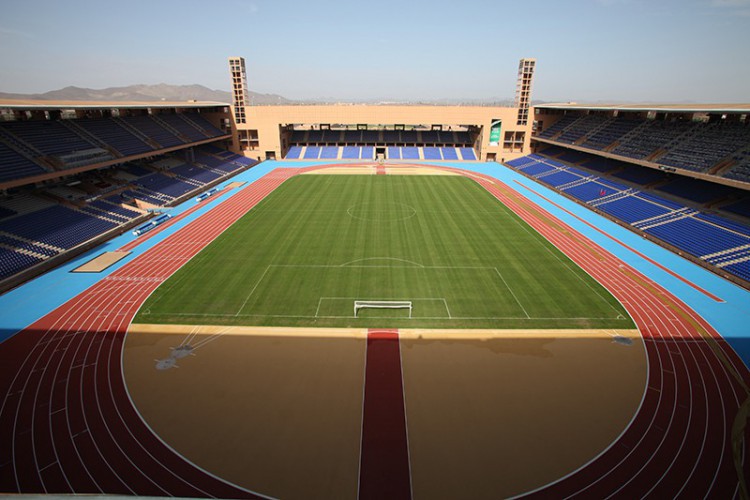
With just a few months to go before the Africa Cup of Nations, Marrakech is preparing to host one of the continent’s major sporting events in a completely renovated stadium. The Grand Stadium, the result of a 400 million dirham investment, will host six group stage matches, including a highly anticipated Cameroon-Ivory Coast match, as well as knockout matches.
A large-scale modernization project
The renovation has given the 45,000-seat stadium a new look. The stands are now more spacious and comfortable, offering better visibility of the pitch. The façade, inspired by traditional mashrabiya screens, combines modernity with Moroccan architectural heritage.
A redesigned spectator experience
Comfort and connectivity are among the project’s priorities. Now, every spectator benefits from wider seats and Wi-Fi coverage capable of connecting the entire audience simultaneously. The stadium has thus been transformed into a veritable digital agora at the service of fans.
The 2025 AFCON program
The stadium will host six group matches, including the Cameroon vs. Ivory Coast match. It will also host a round of 16 and a quarterfinal match, giving Marrakech a prominent place in the organization of the competition.
Already looking ahead to the 2030 World Cup
Beyond the CAN, Morocco is already preparing for the 2030 World Cup. A second phase of work will increase capacity to 46,000 seats and create 71 luxury boxes, confirming the international ambitions of the infrastructure.
A symbol of Moroccan ambition
More than just a stadium, the Grand Stade de Marrakech is a showcase for Morocco’s dynamism and expertise in organizing major events. It embodies the audacity of a country that places sport at the heart of its international influence.
Agadir : The Pearl of the South stands out with its Grand Stade Adrar
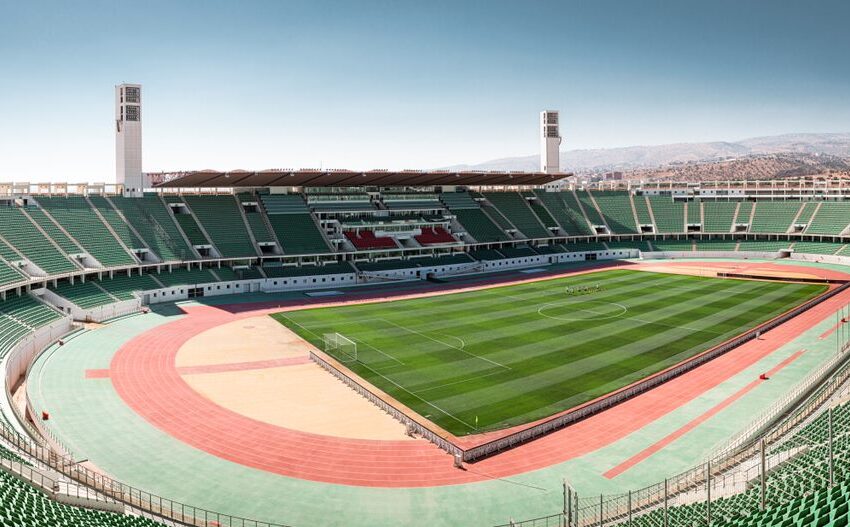
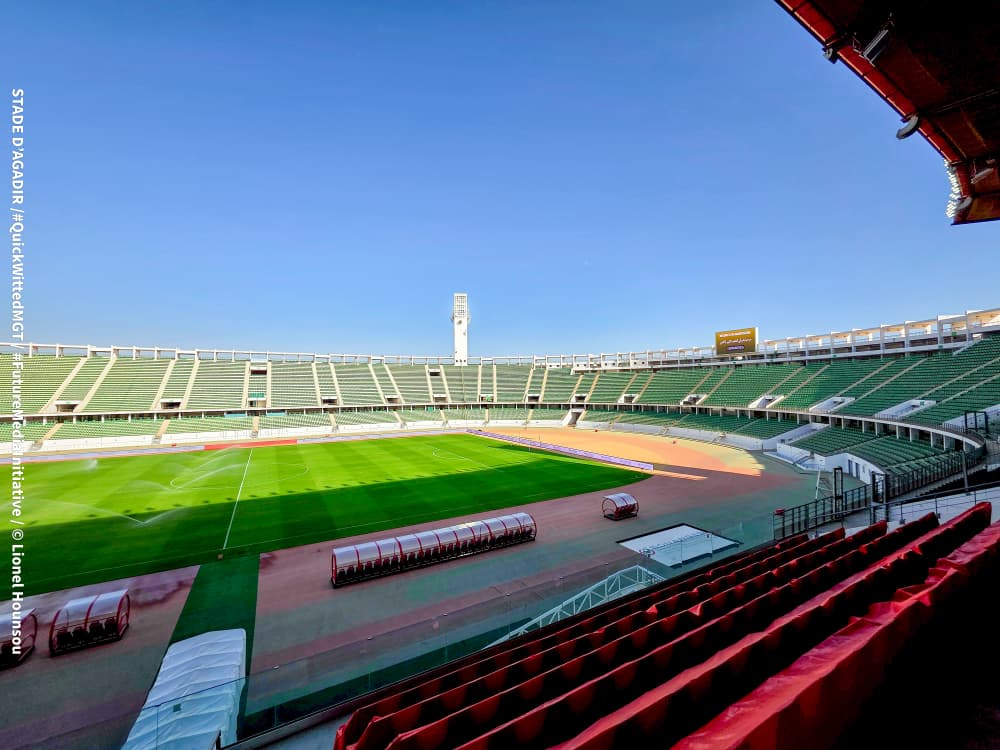
A leading seaside resort in Morocco, Agadir is also establishing itself as a football stronghold thanks to its Grand Stade Adrar. Opened in 2013, the 45,500-seat stadium will host several matches during the 2025 Africa Cup of Nations, including group matches, a round of 16 match, and a quarterfinal.
A modern stadium that meets international standards
The Grand Stade Adrar, whose name means “the mountain” in Amazigh, is one of the most modern stadiums in the Kingdom. Its silhouette, inspired by dunes and waves, symbolizes the link between the desert and the ocean. Built to FIFA standards, it stands out as a leading sports facility in North Africa.

Comprehensive, high-performance infrastructure
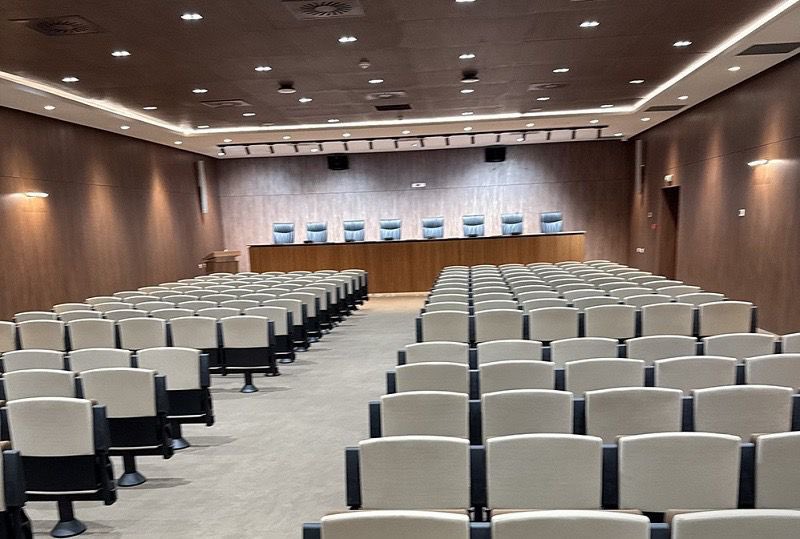
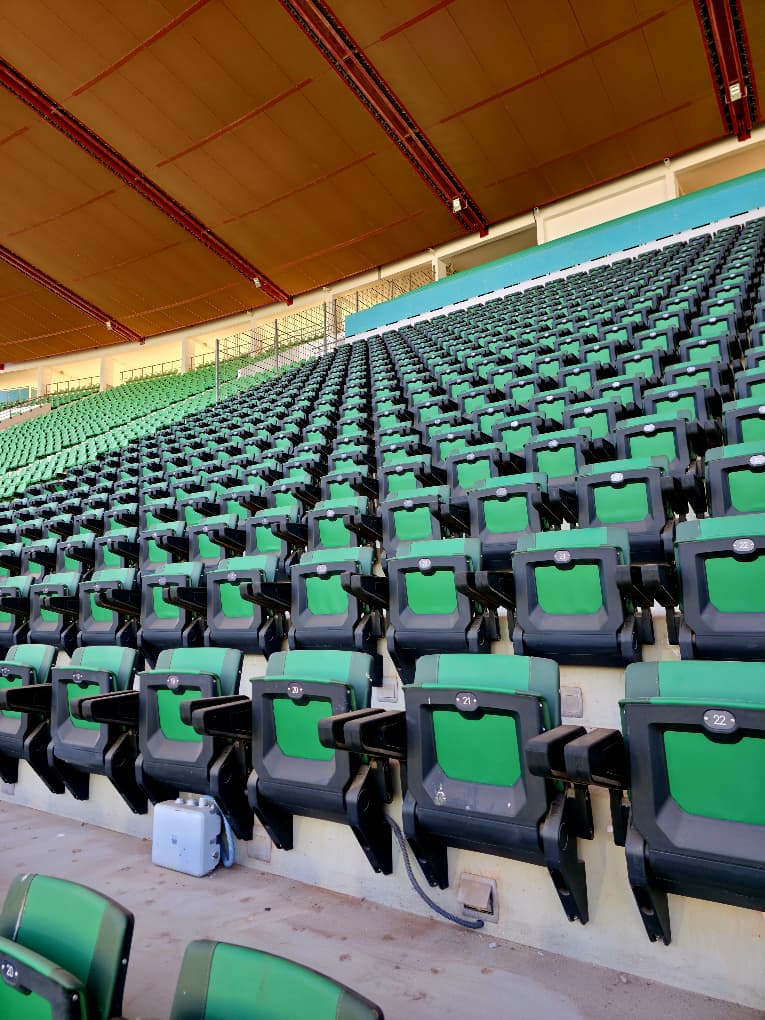
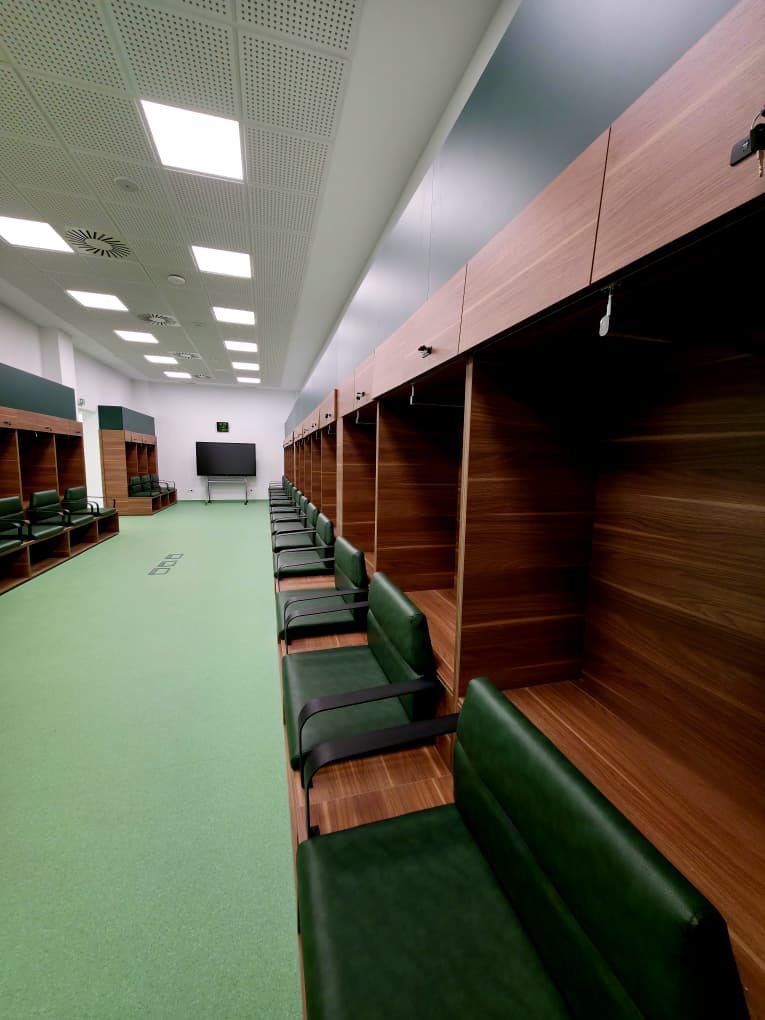
Equipped with natural grass, a tartan track, and lighting that meets international standards, the stadium has four changing rooms for soccer teams, eight for athletics, and two for referees. Its interior spaces include several meeting rooms and a 200-seat conference room equipped for simultaneous translation.
The 2025 Africa Cup of Nations is coming
Starting on December 22, 2025, the Grand Stade Adrar will host eight major matches in the Africa Cup of Nations. The matches will feature leading teams such as Egypt, Cameroon, and South Africa. After the group stage, the stadium will host a round of 16 match on January 5, followed by a quarterfinal five days later.
A breeding ground for young local talent
Beyond major competitions, the stadium plays a key role in training young footballers in the region. Numerous academies train future football stars there, while local clubs use it for their competitions. Throughout the city, additional natural and synthetic turf pitches allow residents and visitors to play football on a daily basis.
An economic and tourist driver
With its high-quality infrastructure and temperate climate all year round, Agadir is attracting more and more international clubs for their training camps. The Adrar Stadium thus contributes to the region’s tourist and economic dynamism, reinforcing the image of a modern and open city that combines sporting passion with seaside appeal.

Tangier : Between ancient heritage and modern transformation
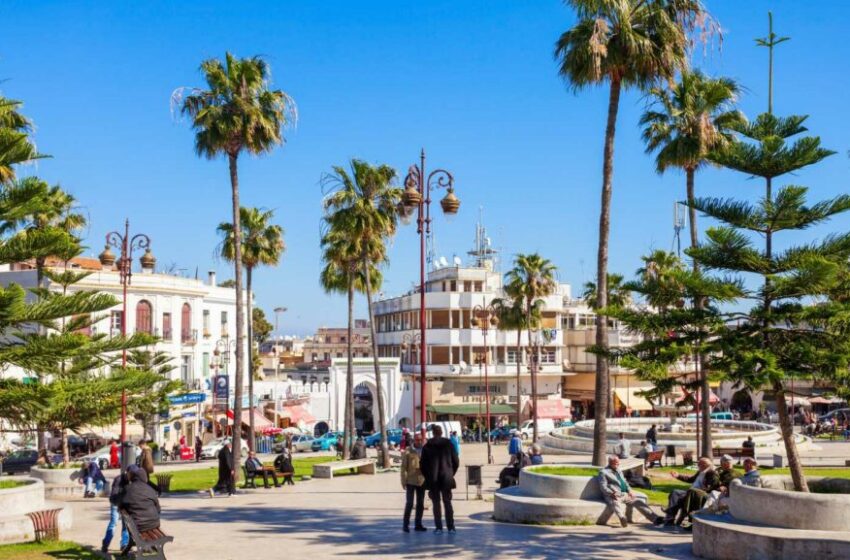
Perched at the northern tip of Morocco, between the Mediterranean and the Atlantic, Tangier is confirming its status as a crossroads city undergoing rapid transformation. From its historic medina to the Grand Stadium currently under construction for the 2030 World Cup, the city of two seas combines tradition and international ambition.
The medina, a living historic heart
The medina of Tangier remains the heart of the city. Its whitewashed alleys are home to artisans, spice merchants, and residents, in an atmosphere where the muezzin’s call mingles with the scents of bread and mint tea. The souk, always bustling, remains a central hub for trade and social life, far from being reduced to a tourist attraction. Higher up, the Kasbah dominates the bay and houses a museum tracing the passage of the sultans and diplomats who shaped the city’s history.
The corniche and iconic natural sites
Outside the ramparts, the corniche symbolizes the modern face of Tangier. Terrace cafés, seaside promenades, and views of the Strait of Gibraltar make it an unmissable meeting place. Nearby, the Caves of Hercules and Cape Spartel perpetuate the myth and fascination of Tangier, with breathtaking panoramas that continue to attract visitors and artists.
Tangier, cultural and artistic capital
A welcoming city for writers of the Beat Generation, Tangier retains a unique literary and artistic aura. The Petit Socco and the El Minzah hotel are reminders of this history, while new galleries, artists’ residences, and cinemas bear witness to a thriving contemporary cultural scene. The Grand Socco, between the medina and the modern city, embodies this daily effervescence.
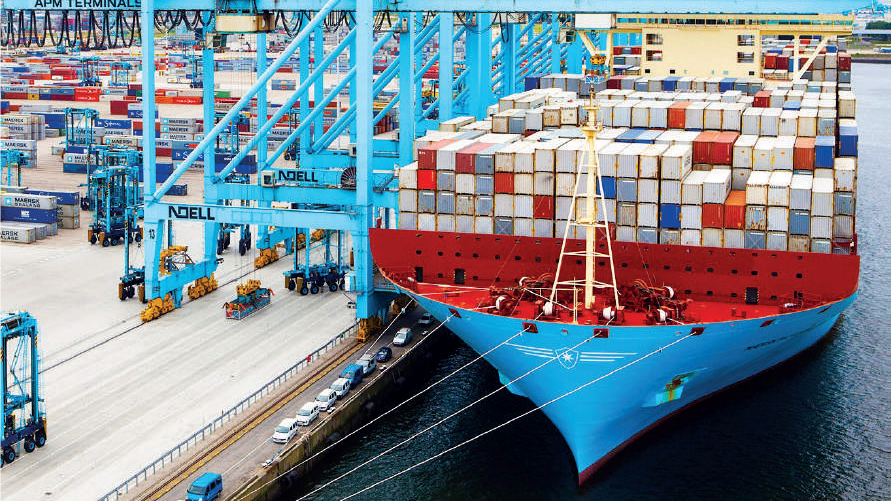
The port of Tangier-Ville, a tourist showcase
Reoriented since the opening of Tanger Med, the historic port is now dedicated to yachting and cruises. With its modernized terminals and fast connections to Spain, it has established itself as a strategic stopover for more than 1.2 million travelers per year, reinforcing the city’s tourist appeal.
The Grand Stadium: a showcase for Morocco’s ambitions
A flagship project in Tangier’s transformation, the Grand Stadium, formerly known as the Hassan II Stadium, is set to become one of the largest stadiums in the world with 115,000 seats. Designed without a running track to bring the audience closer to the action, it will host the 2025 African Cup of Nations before establishing itself as a major venue for the 2030 World Cup. Inspired by the traditional “Moussem,” its architecture combines modernity and cultural identity.
Tangier, gateway to Morocco
A city of contrasts, Tangier combines ancestral heritage with large-scale projects. Accessible by high-speed train, plane, and ferry, it offers a wide range of accommodation and is positioned as an international metropolis. True to its legend and looking to the future, the city continues to write its history, between its roots and modernity.