AFCON 2025 : Morocco launches a nationwide celebration to unite the country through football
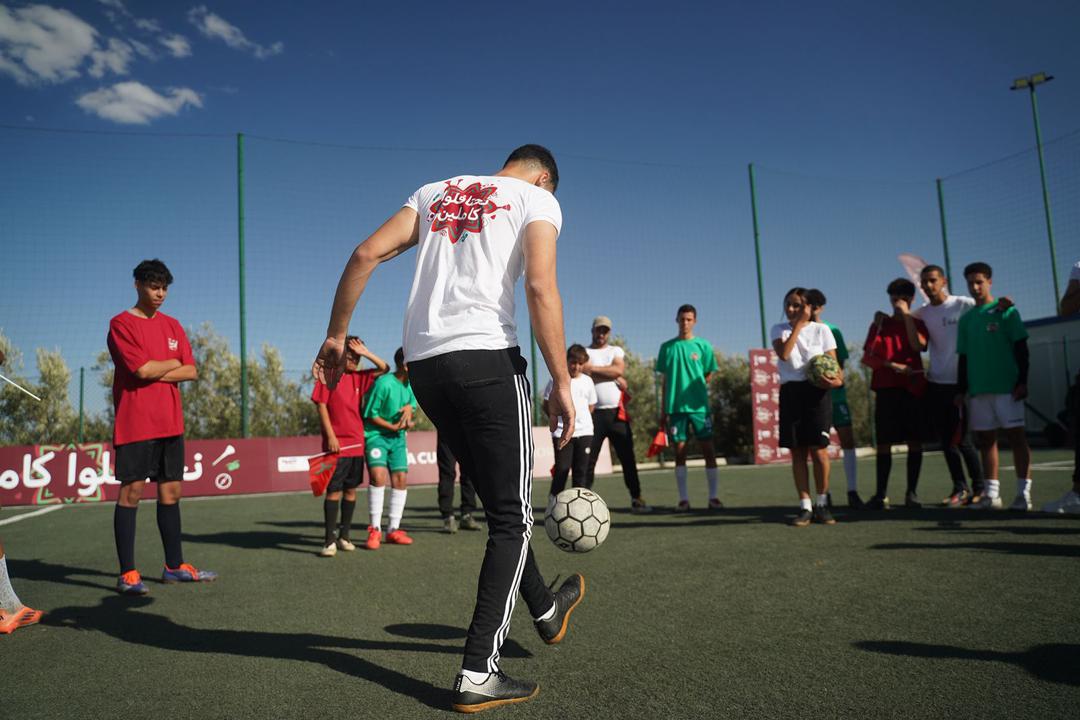
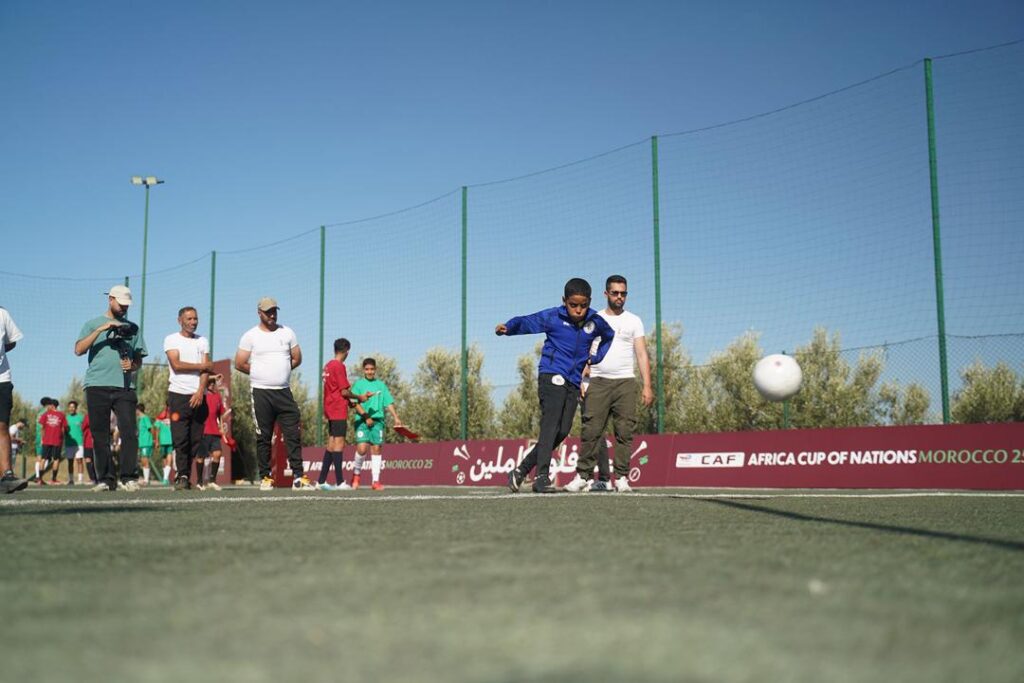
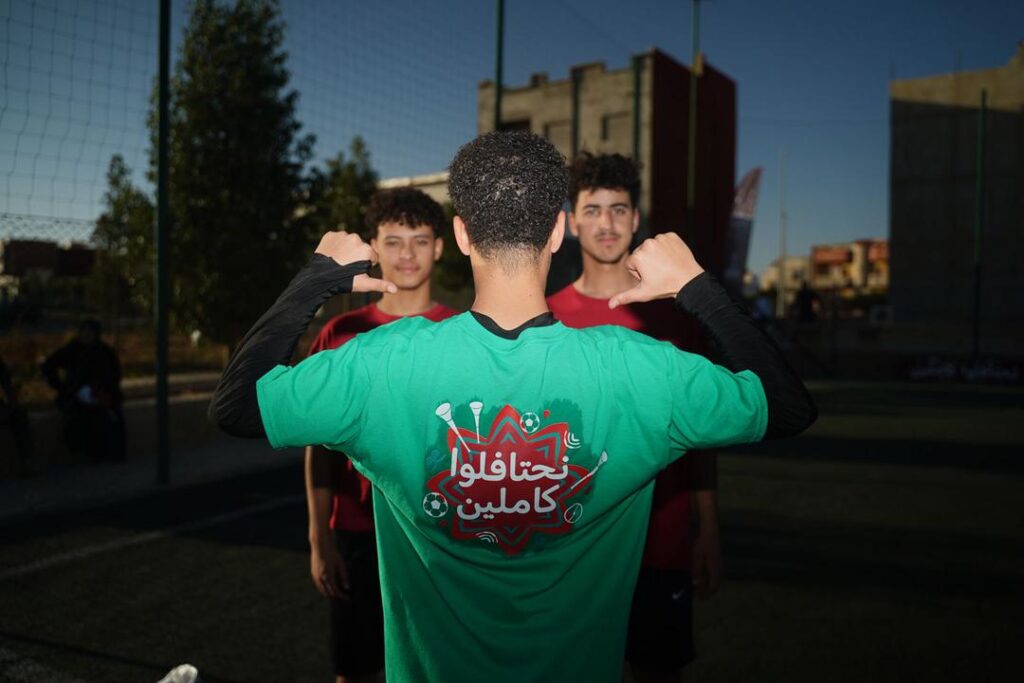
As anticipation builds ahead of the 2025 Africa Cup of Nations (AFCON), the Local Organizing Committee (LOC) has kicked off a major nationwide initiative designed to make the entire Kingdom vibrate to the rhythm of African football.This ambitious and festive program, launched on November 11, will span thirty days, covering all twelve regions of Morocco and reaching more than sixty communes. The first two stops of the tour took place in Tahannaout and Boufakrane, where locals gathered in a joyful and energetic atmosphere to mark the beginning of this football celebration.
A Traveling Festival of Football and Joy
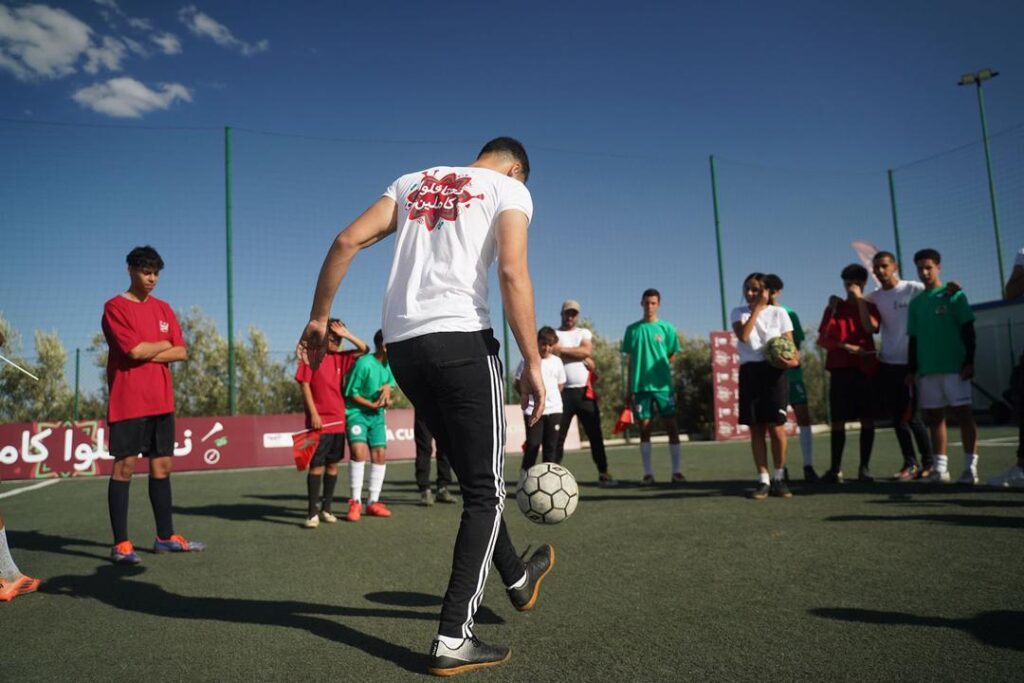
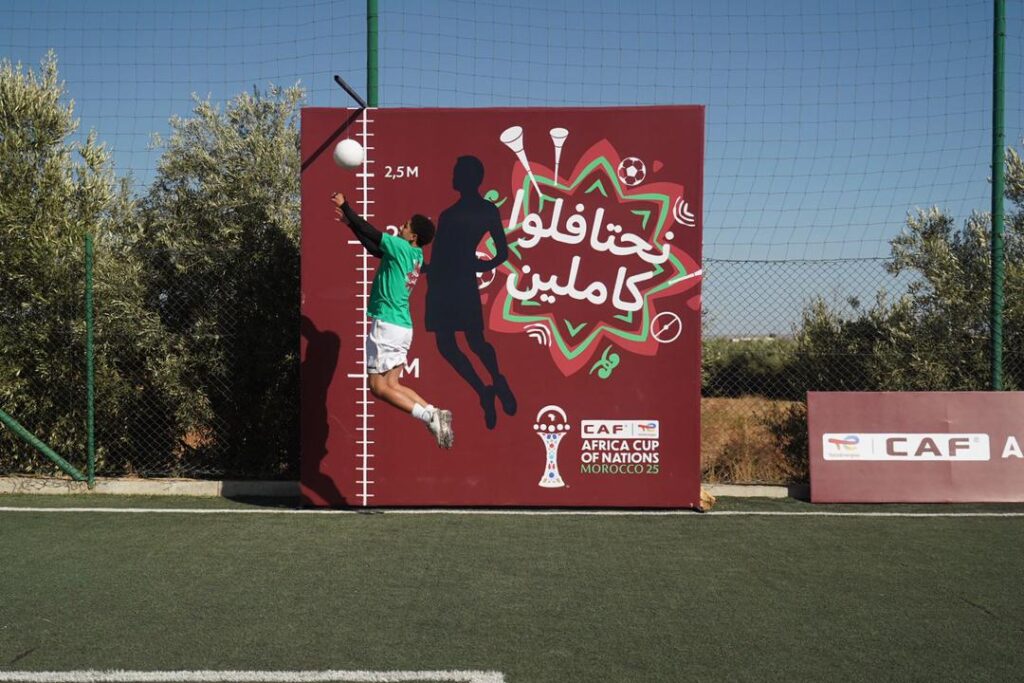
At each stop, communities will enjoy a range of activities aimed at engaging fans of all ages:Friendly football matches and community tournamentsInteractive games and activitiesMeet-and-greet sessions with Moroccan football legendsFreestyle football showsMusical performances, cultural entertainment, and giveaways
The goal is clear — to bring the excitement of AFCON 2025 directly to the people, whether they live in bustling cities or remote rural areas. “AFCON 2025 is the CAN of all Moroccans,” said a representative of the organizing committee. “We want it to be a nationwide celebration — a moment of unity, joy, and pride shared by everyone.”
A Celebration That Goes Beyond the Stadiums
By taking this celebration on the road, the LOC aims to make every Moroccan feel part of Africa’s greatest football event.Beyond promoting the tournament, the initiative reflects Morocco’s vision of solidarity, inclusiveness, and cultural connection through sport.From the Atlas Mountains to the Atlantic coast, from northern towns to southern villages, every region will have the opportunity to celebrate the spirit of African football.
Morocco, Heartbeat of African Football
Hosting the 2025 AFCON marks another milestone in Morocco’s long-standing commitment to promoting sports and African unity.Through this initiative, the country demonstrates its ability not only to organize world-class events but also to involve its citizens in the celebration, transforming the entire Kingdom into a living festival of football.

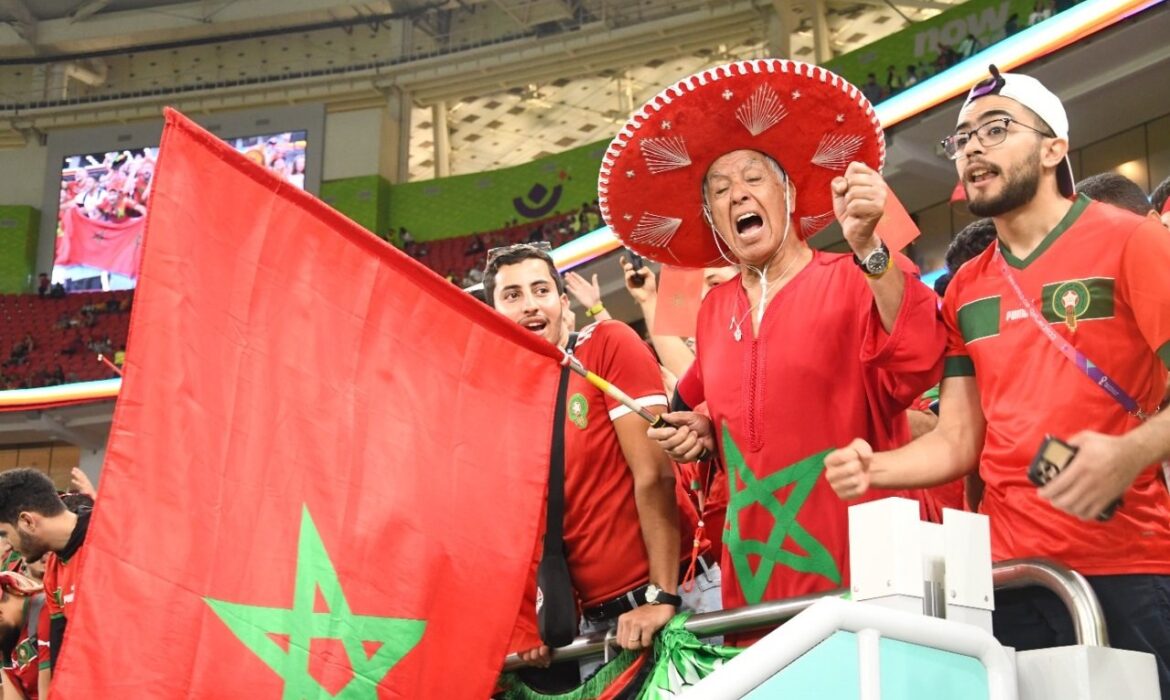
AFCON 2025 : Morocco offers free e-visas through YALLA app
The Local Organizing Committee of AFCON 2025 has announced free electronic visas for fans traveling to Morocco for the tournament.Supporters can apply for both their e-visa and mandatory FAN ID through the official YALLA platform (www.yallamorocco.ma).A 24/7 multilingual support service is available at +212 5 30 30 20 30 and info@yallamorocco.ma. The initiative reflects Morocco’s commitment to hosting an inclusive and fan-friendly AFCON experience.

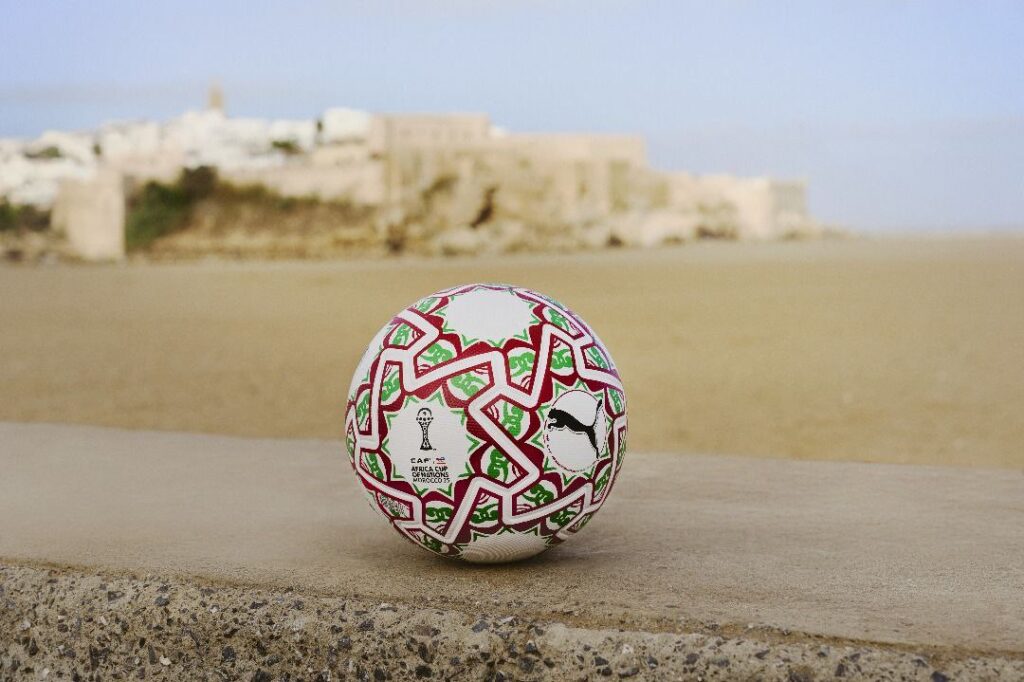
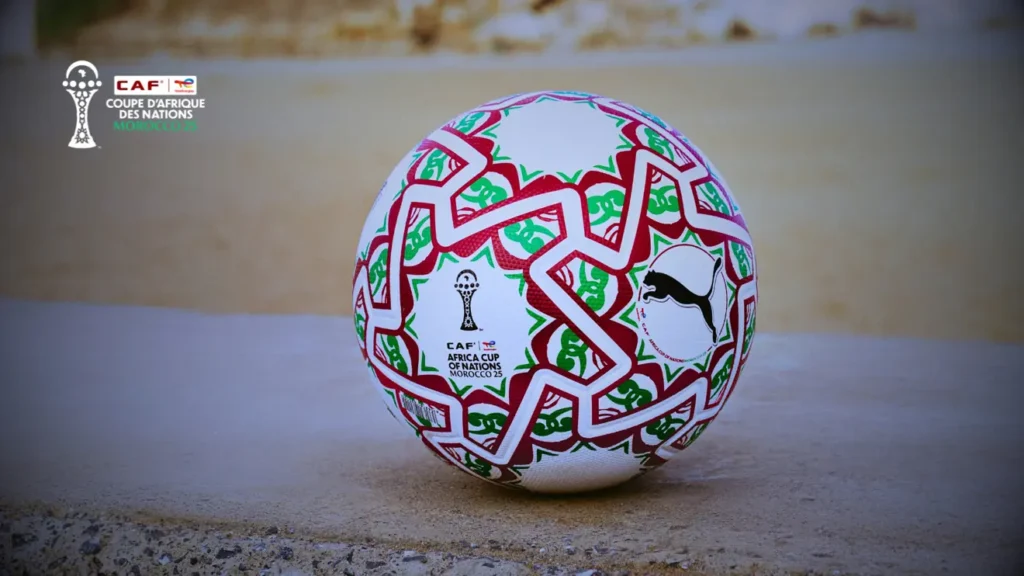
AFCON 2025: “ITRI”, A ball inspired by Morocco’s timeless artistry
The official ball of the 2025 Africa Cup of Nations, named “ITRI”, draws inspiration from Morocco’s zellige mosaics, a hallmark of the country’s artistic heritage. Meaning “star” in Amazigh, the design reflects unity, culture, and African pride. It will make its first appearance on December 21, 2025, at the tournament’s opening match.









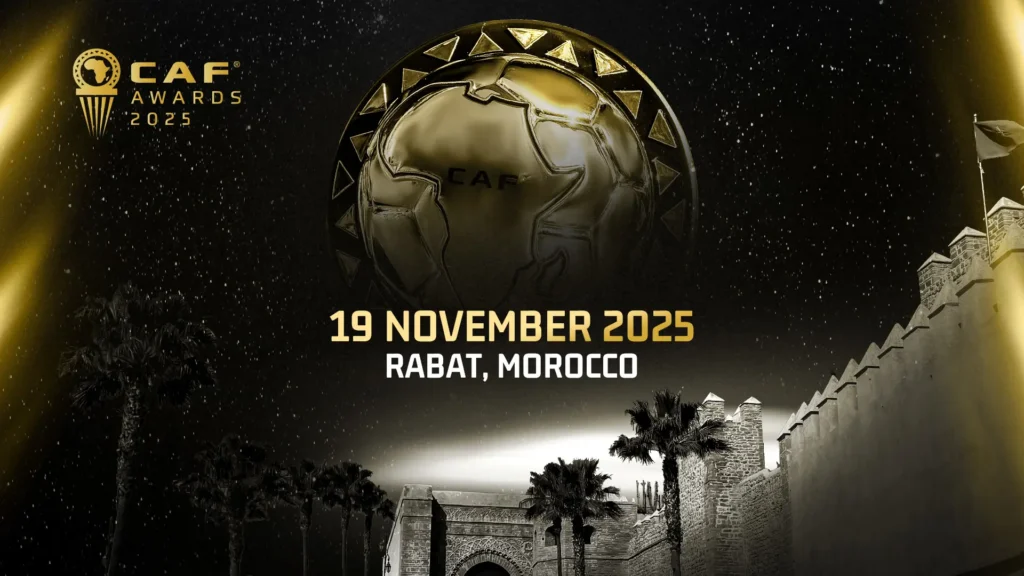
CAF Awards 2025: Morocco to host africa’s football gala once again
The Confederation of African Football (CAF) has officially announced that the 2025 CAF Awards will take place in Morocco on November 19.
For the third consecutive year, the Kingdom will host Africa’s most prestigious football awards ceremony, celebrating the continent’s finest talents. Top African stars, including Achraf Hakimi, Victor Osimhen, and Mohamed Salah, are expected to attend the glittering event. Coming just weeks before the 2025 Africa Cup of Nations (AFCON), this ceremony reinforces Morocco’s status as a leading hub for African sports excellence.

CAF and SuperSport partner to broadcast AFCON 2025 in Morocco
The Confederation of African Football (CAF) has announced a broadcasting agreement with SuperSport for the TotalEnergies CAF Africa Cup of Nations, Morocco 2025. The deal was unveiled at SuperSport’s headquarters in Johannesburg, South Africa. Under this partnership, the tournament will be broadcast across Sub-Saharan Africa in English and several local languages, ensuring millions of fans access to world-class coverage of Africa’s biggest football event.
The signing ceremony brought together CAF President Dr. Patrice Motsepe, CANAL+ Africa President Calvo Mawela, CEO David Mignot, and Rendani Ramovha.
David Mignot emphasized the importance of the recent CANAL+ and MultiChoice merger, describing it as a “unique opportunity to unite expertise and deliver exceptional coverage.”
SuperSport will also launch a dedicated AFCON 2025 channel, featuring expert analysis, football legends, and multilingual commentary throughout the tournament.
AFCON 2025 : Become a volunteer and be part of history!
The Confederation of African Football (CAF) has opened applications for volunteers ahead of the 2025 Africa Cup of Nations in Morocco. This is a once-in-a-lifetime opportunity to experience the continent’s biggest football event from behind the scenes and contribute to its success.
🔗 Apply now at cafonline.com/fr/can2025/volunteers.
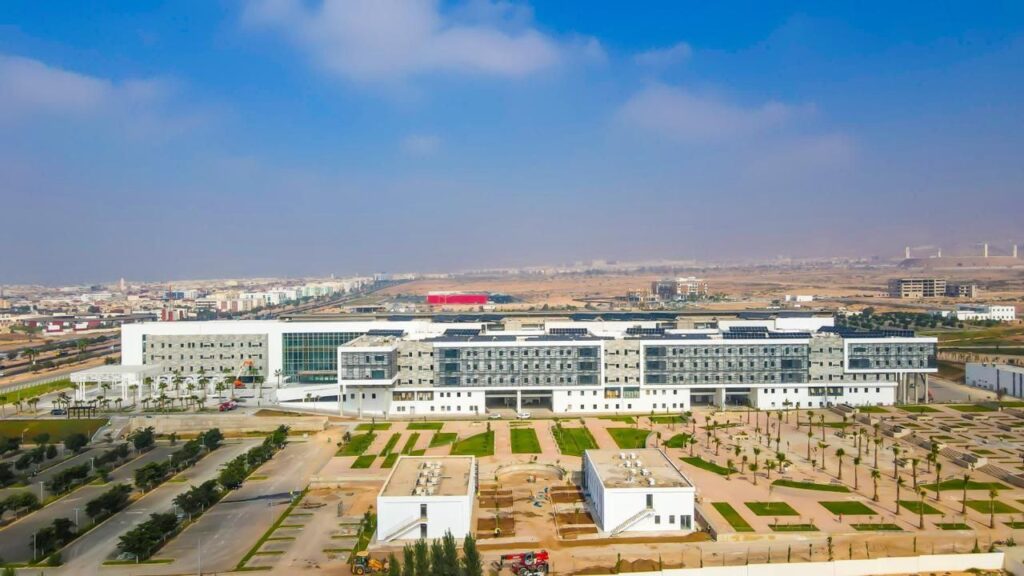
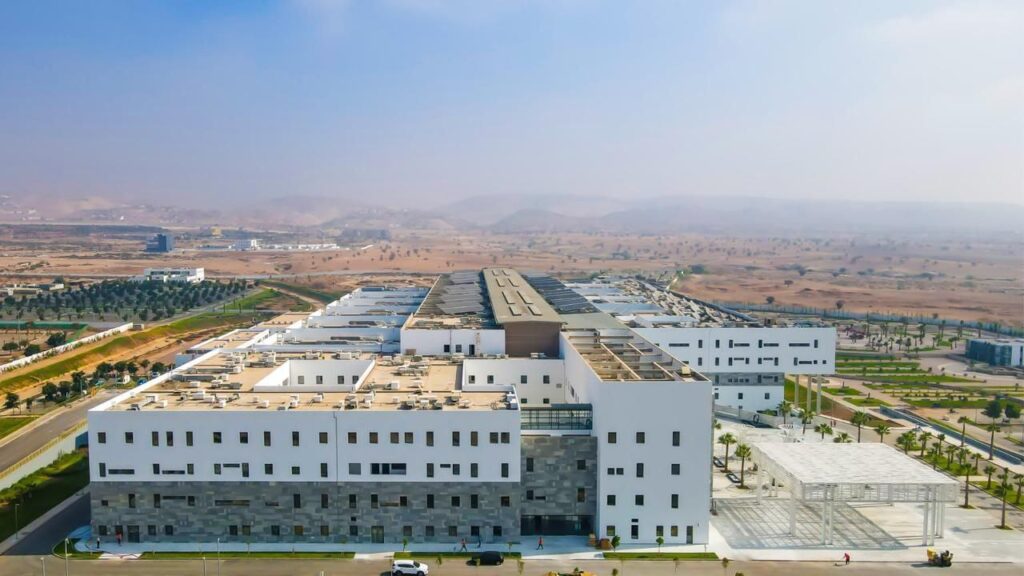
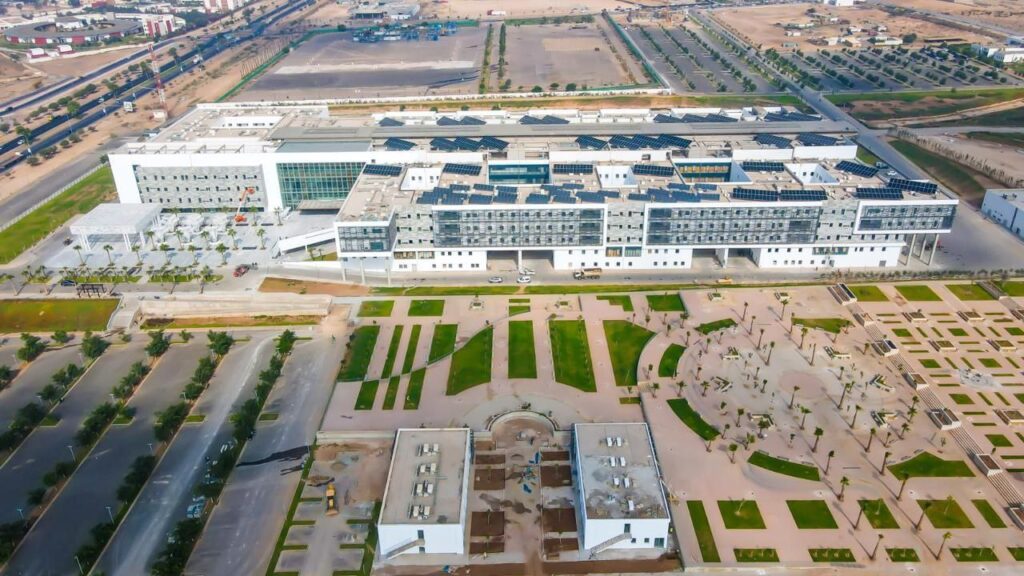
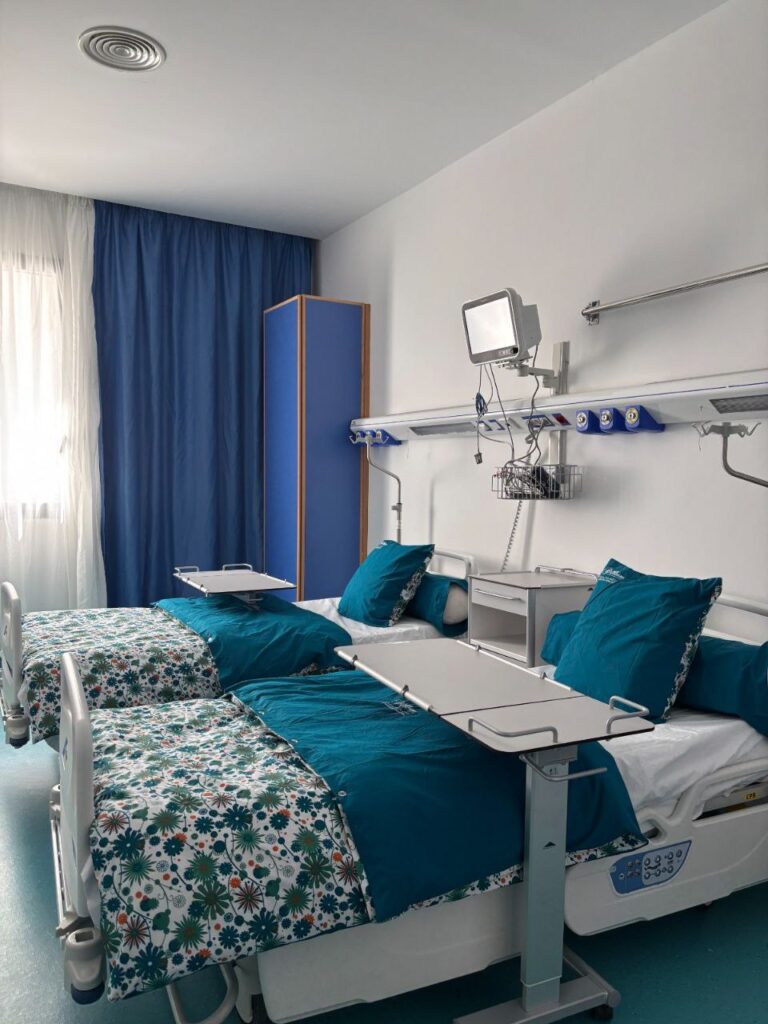
Morocco’s Mohammed VI University Hospital in Agadir: A new era for health and education
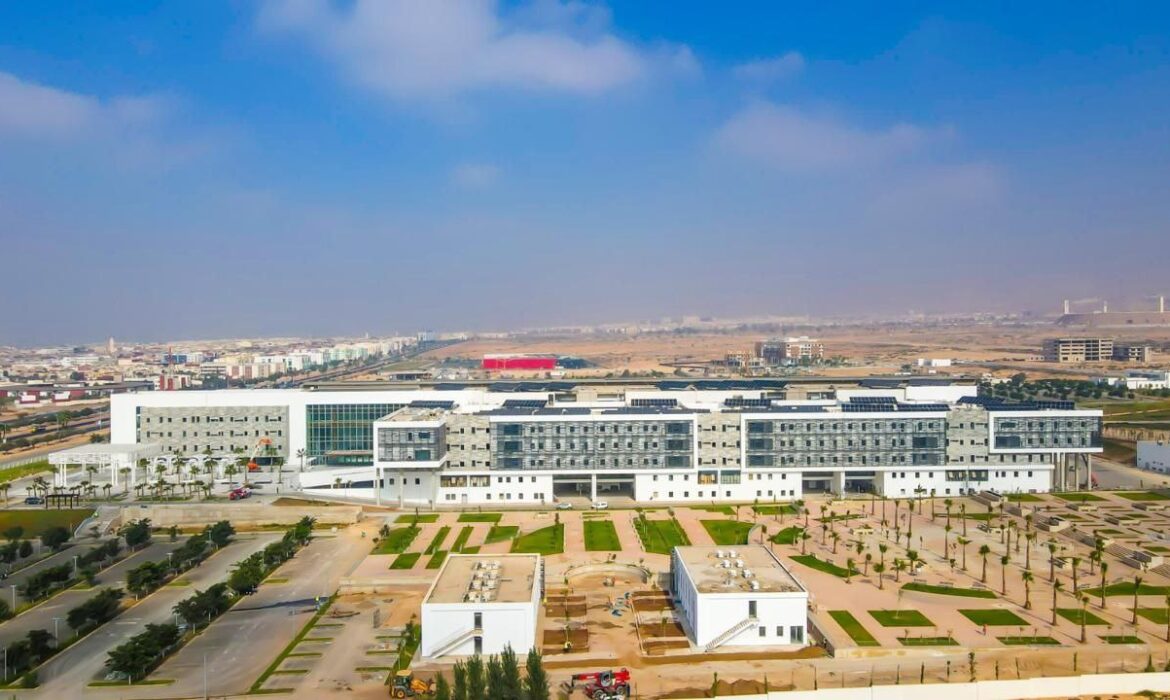
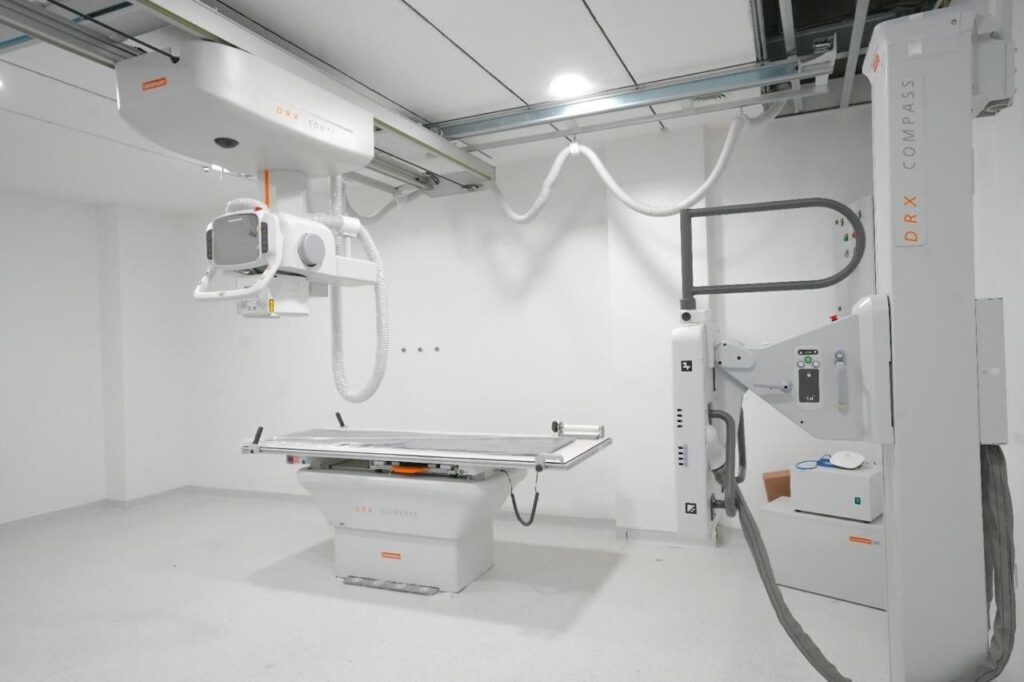
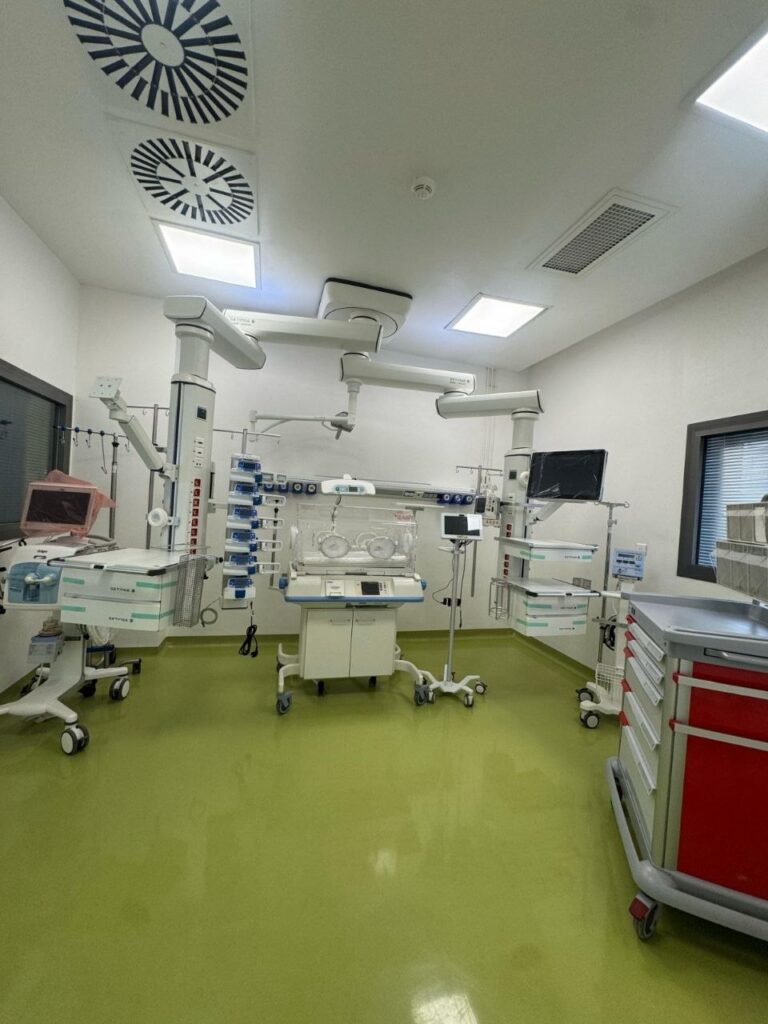
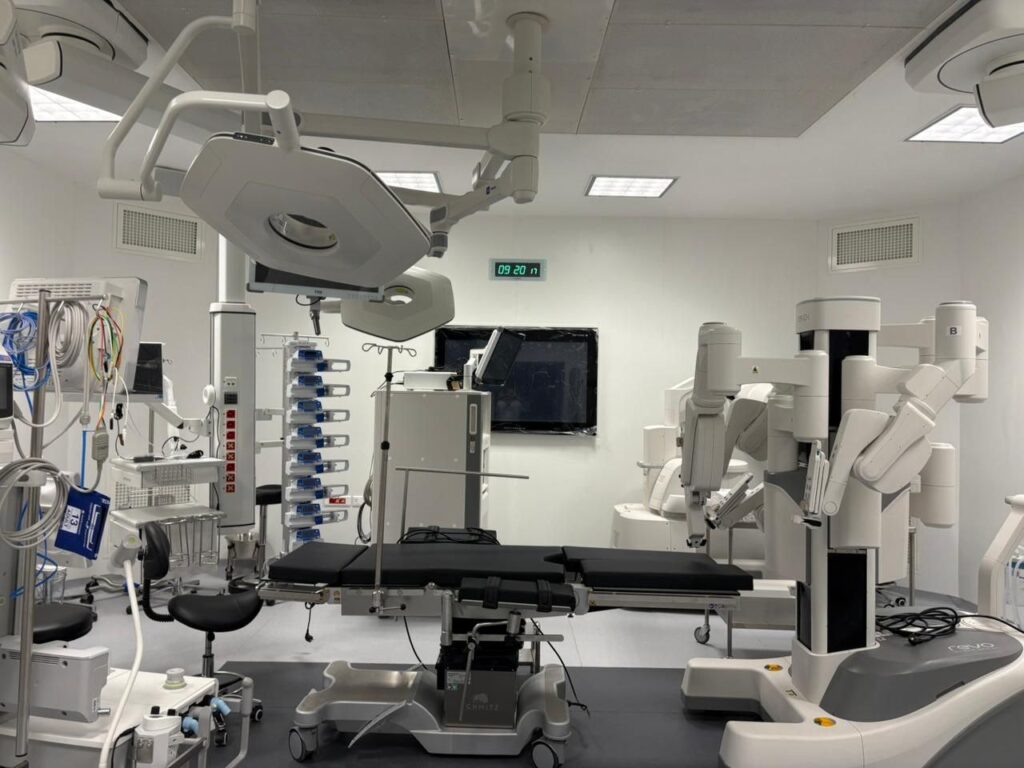
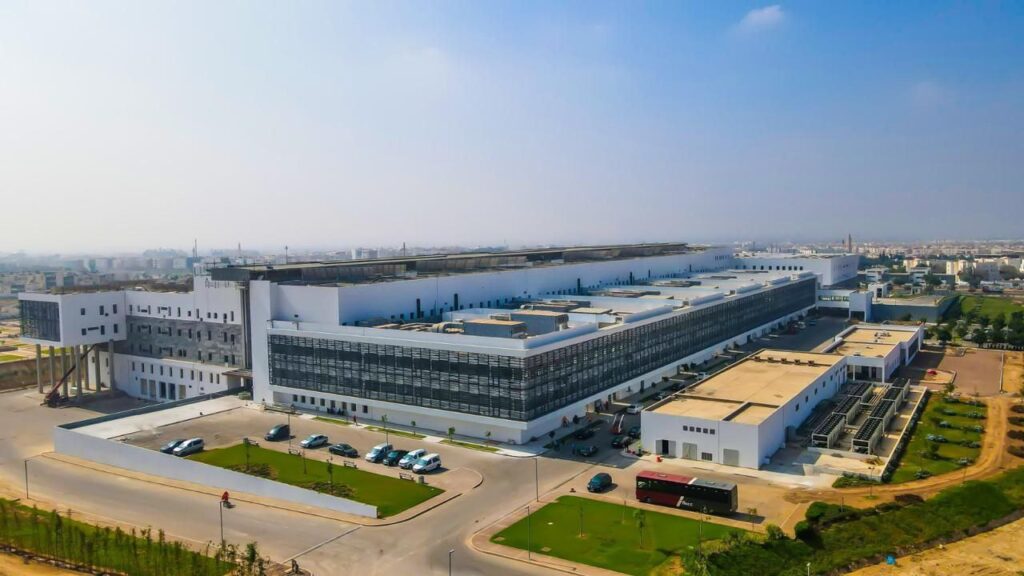
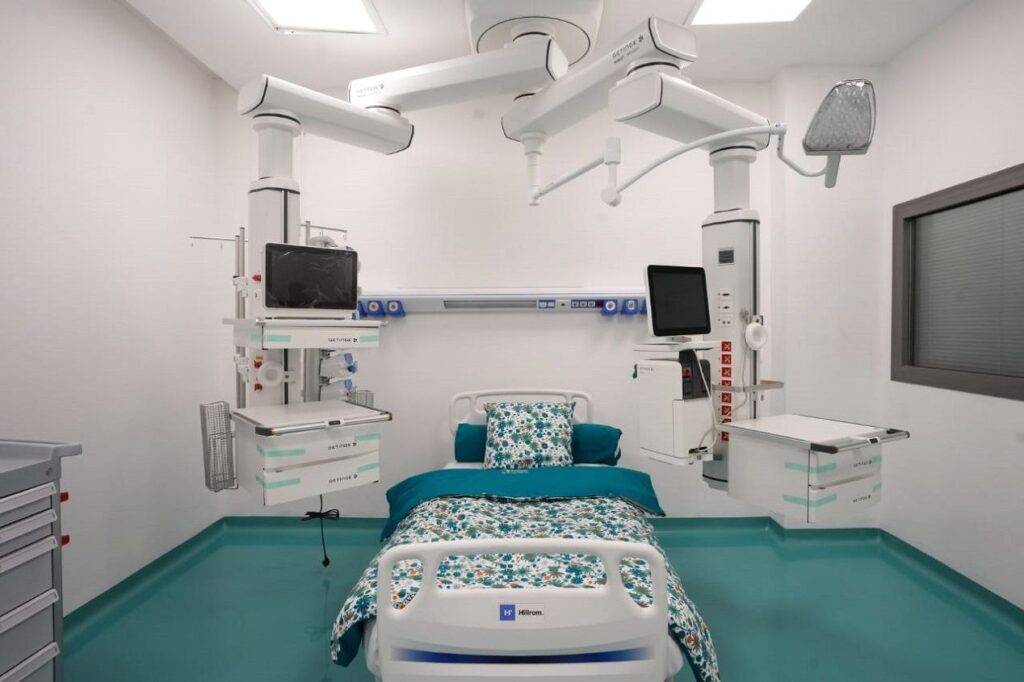
The Mohammed VI University Hospital in Agadir stands as a symbol of Morocco’s growing commitment to medical excellence and sustainable innovation. Built under the High Directives of His Majesty King Mohammed VI, the hospital features 867 beds, cutting-edge medical technology, and a strong academic partnership with Agadir’s Faculty of Medicine and Pharmacy. Equipped with Africa’s first “Revo I” surgical robot, a digital patient record system, and an automated pharmaceutical center, the facility embodies the Kingdom’s vision for a smarter, more efficient healthcare system.
AFCON 2025: FAN ID now mandatory for stadium access
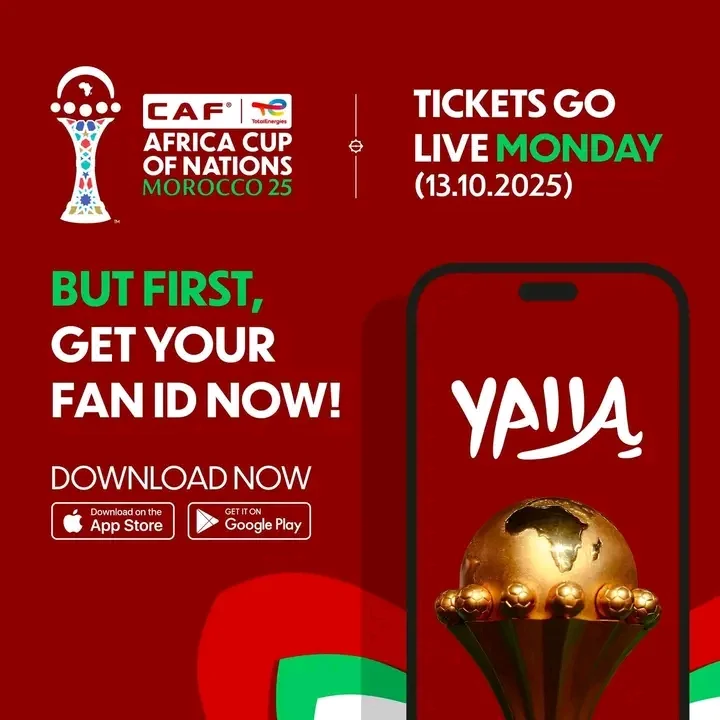
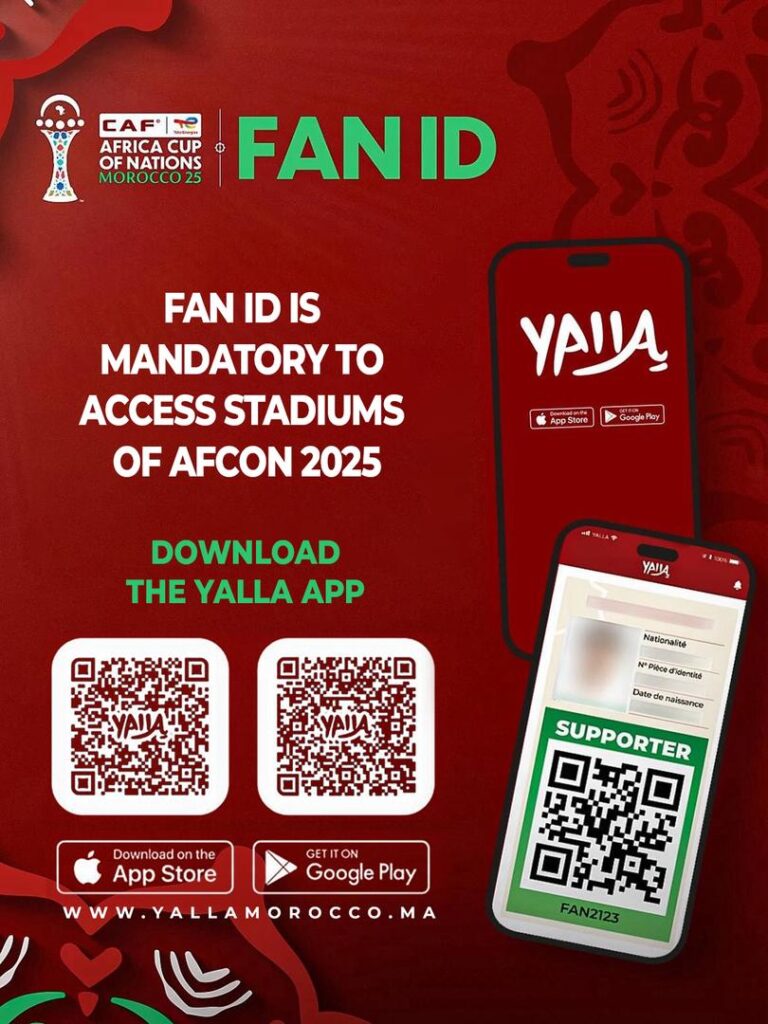
Fans attending the CAF Africa Cup of Nations Morocco 2025 will be required to present a FAN ID to enter all stadiums.The new digital identification system aims to enhance security, improve fan experience, and streamline stadium access throughout the tournament.Supporters can easily obtain their FAN ID by downloading the official Yalla app — available on both the App Store and Play Store — and completing their registration ahead of the competition.
🎫 No FAN ID, no entry — make sure you’re match-ready!
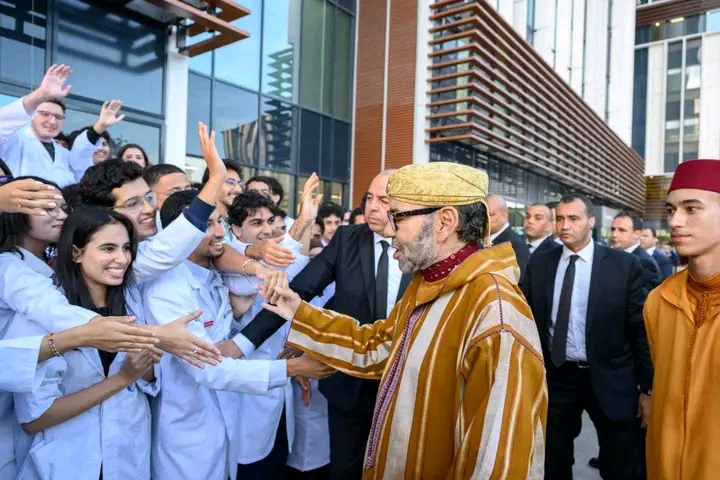
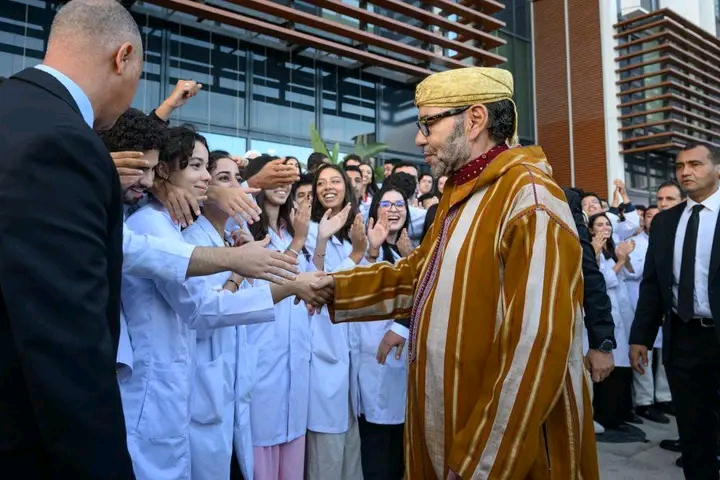
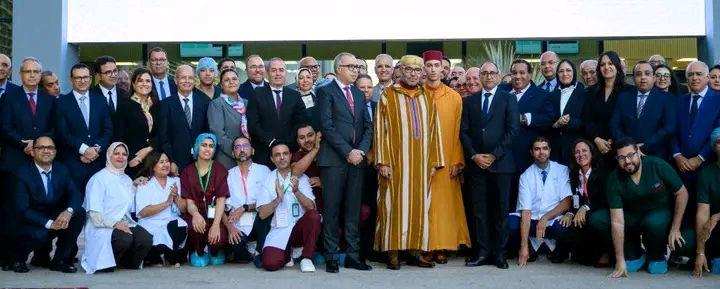
Morocco sets a new benchmark in healthcare with two world-class hospitals inaugurated by King Mohammed VI
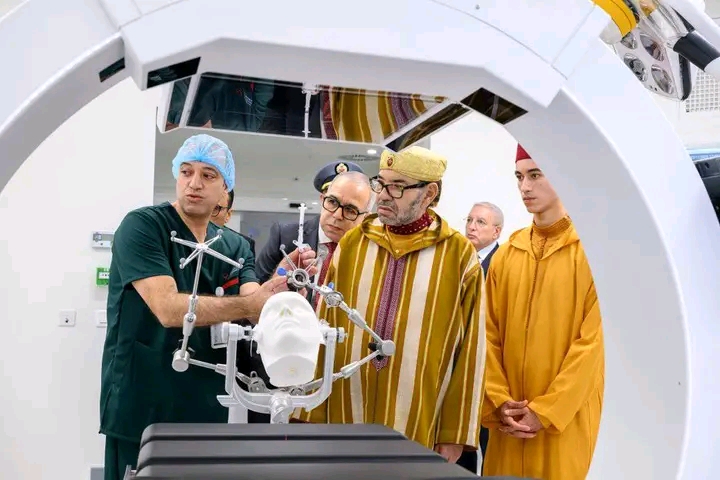
On November 3, 2025, His Majesty King Mohammed VI of Morocco, accompanied by Crown Prince Moulay El Hassan, inaugurated the Mohammed VI International University Hospital Complex in Rabat, and ordered the opening of the Mohammed VI University Hospital in Agadir.
These two state-of-the-art institutions, designed by the Mohammed VI Foundation for Science and Health, represent a major leap forward for Africa’s healthcare landscape.The Rabat complex includes Africa’s first PET-MRI, robotic operating theaters, and a fully automated laboratory platform, while the Agadir facility features the continent’s first 3D robotic surgery system.Beyond healthcare, both hospitals embody a royal vision of equitable access, sustainable infrastructure, and academic excellence across Morocco.
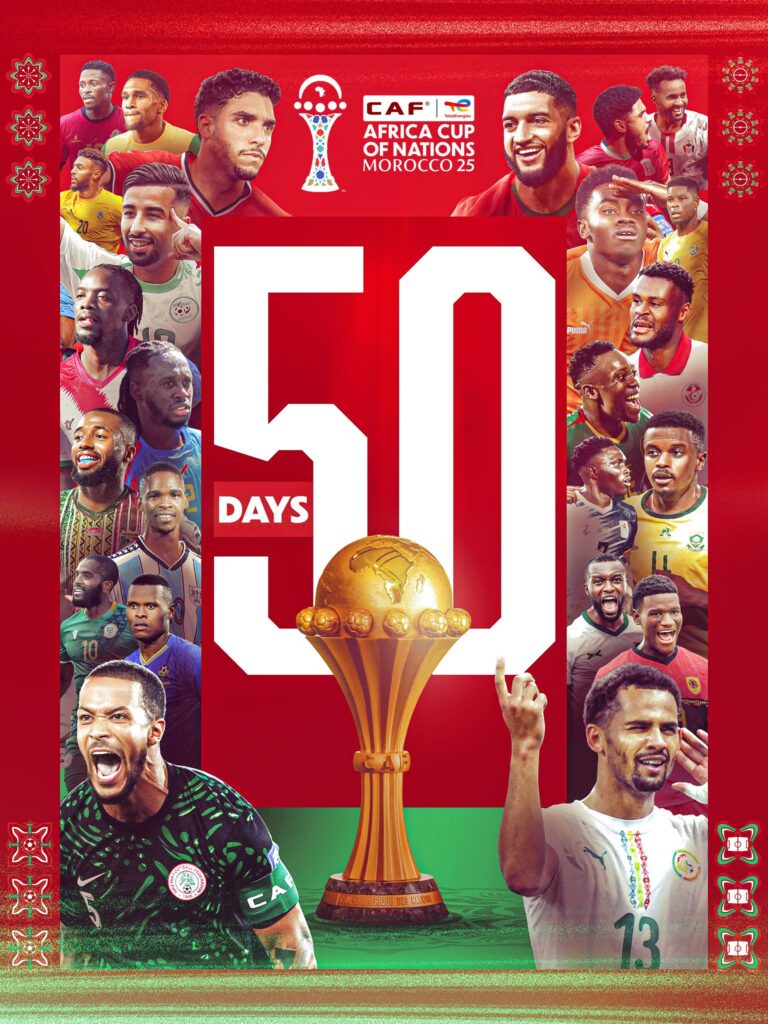
AFCON 2025: 50 Days to Go Before Kickoff in Morocco
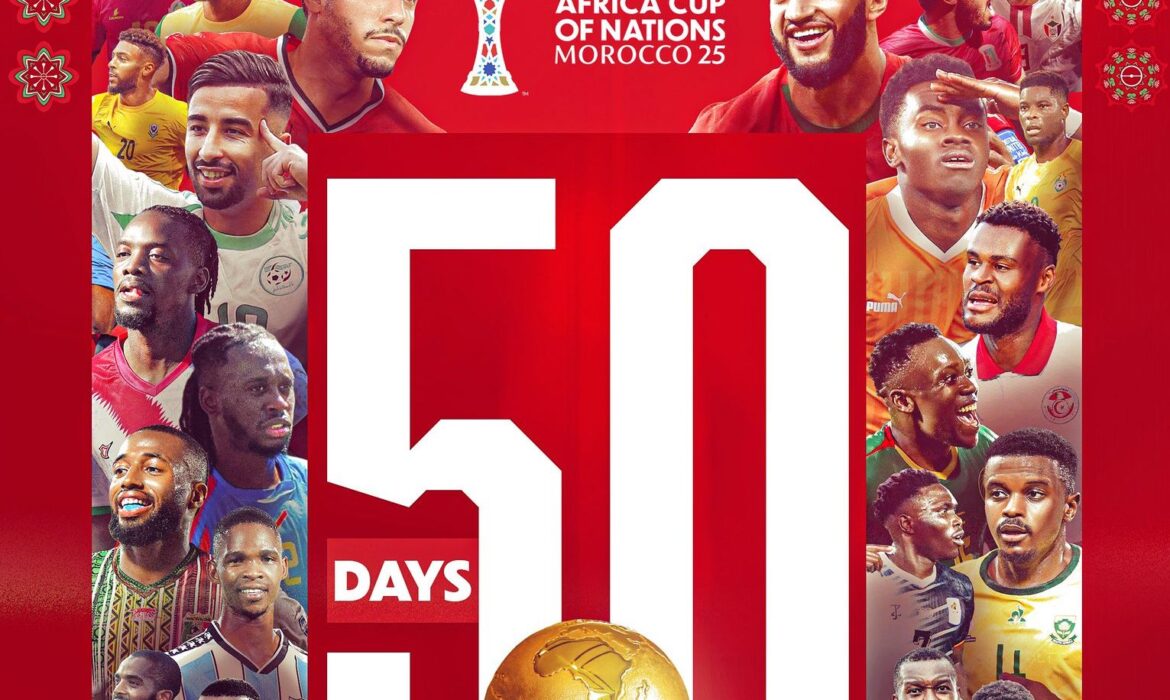
This Saturday, November 1, 2025, marks 50 days to go before the start of the Africa Cup of Nations (AFCON) Morocco 2025 — the most anticipated football event on the continent.In less than two months, Africa’s finest teams will gather in Morocco for what promises to be a historic and spectacular edition of the competition. Across the host cities, preparations are in full swing, national teams are finalizing their squads, and fans everywhere are counting down the days.From December 21, 2025, to January 18, 2026, the entire continent will come alive to celebrate football, unity, and African pride.The countdown has officially begun — in 50 days, the world’s eyes will turn to Morocco for the grand kickoff of AFCON 2025, where passion, talent, and history will meet once again on African soil.