
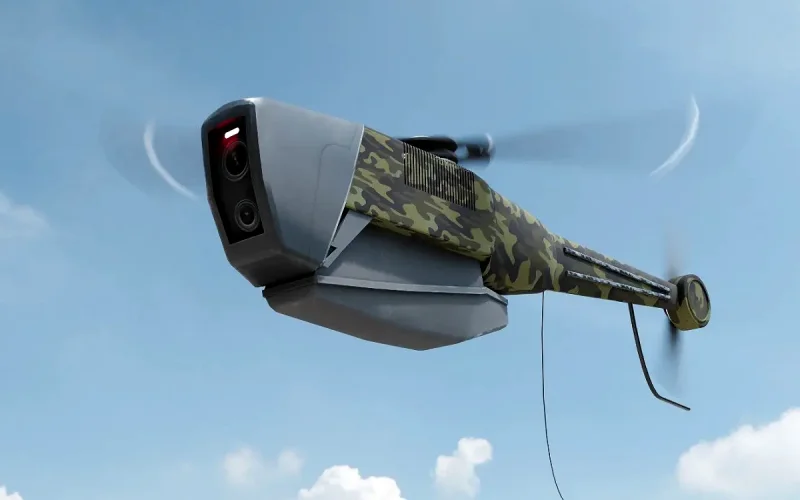
UM6P in Benguerir is designing aircraft equipped with morphing wings and autonomous AI-guided navigation systems.
The national scientific research and engineering ecosystem has reached a major technological milestone in advanced aeronautics. On Friday, 6 November 2026, Mohammed VI Polytechnic University in Benguerir officially announced via the scientific platform EURAXESS the launch of two innovation programmes dedicated to designing next-generation drones. The first project draws inspiration from the biomimetic flight of birds and bats to develop wings capable of altering their geometry in mid-air. By adapting wing shapes to different navigation phases, researchers aim to maximize the energy efficiency of the aircraft and optimize their aerodynamic performance. Built using lightweight composite materials, computer-modeled structures, and 3D-printed components, the prototypes will undergo wind tunnel testing batteries and flight test campaigns to validate their mechanical resistance and achieve high technological readiness.
Autonomous navigation, artificial intelligence, and digital twins
The second strategic axis developed within the Green City’s laboratories aims to provide these aircraft with full decision-making autonomy through artificial intelligence. Research teams are working on developing algorithms combining machine learning, computer vision, and multi-sensor data processing to enable the aircraft to adapt their trajectory in real time when facing environmental obstacles. This work also integrates the deployment of digital twins—virtual replicas of the drones continuously fed flight data to anticipate technical failures and monitor component wear. A significant portion of processing operations will be executed on board to accelerate system response times during complex missions.
Impact on national industry and skill transfer
The experimentation phases planned across the university’s industrial sites and OCP Group facilities open concrete prospects for the national economic fabric. Creating a dedicated digital platform for centralized drone fleet management will strengthen strategic infrastructure surveillance, agricultural mapping, and territorial environmental management. This high-tech programme will generate several industrial patents, consolidate the country’s intellectual property, and boost the training of highly skilled engineers in robotics and digital sovereignty. By positioning Moroccan applied research at the forefront of aeronautical innovation, these initiatives enhance the country’s appeal for investment in breakthrough technologies.