At the helm of Les Recettes de Touria, the nurse’s aide of Moroccan origin fuses French culinary art with amlou praline.
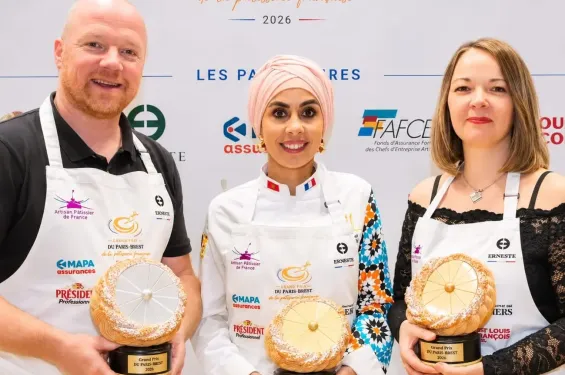
The international prestige of national gastronomy is illustrated through life journeys driven by passion and intergenerational transmission. On Sunday, 1 November 2026 in Paris, Touria Laalioui Mbarek won first prize in the competition dedicated to the Paris-Brest, a French pastry contest presided over by renowned chef Pierre Hermé. Originally from Houara and settled in the Paris region since her childhood, this night-shift nurse’s aide built a creative bridge between the rigor of French pastry-making and the rich culinary heritage of the Kingdom. By introducing argan oil and amlou? into the heart of the praline cream of this great French classic, the creator convinced the jury with a subtle reinterpretation of craftsmanship from both shores, realizing years of work split between her profession supporting the elderly, family life, and managing her digital platform with over 138,000 followers.
From parental heritage to television success
This achievement is rooted in memories of a childhood shaped by the transmission of know-how from her father, a chef at a Moroccan restaurant in Saint-Michel. The informal learning of spice selection and respect for ingredients gradually led the self-taught cook to structure her project around the Les Recettes de Touria brand. Her standing was affirmed during her participation in the television show Ma recette est la meilleure de France in 2024, where she reached the regional final defending the complexity of a seafood pastilla. To consolidate this technical foundation and validate her professional skills, the winner joined the Paris School of Table Trades to prepare for the Professional Aptitude Certificate (CAP) in pastry arts.
Impact on artisanal heritage and culinary publishing
Promoting local national products within international high-end pastry making represents a major opportunity for agricultural cooperatives in the Southern provinces. The use of premium ingredients such as organic argan oil and artisanal amlou in world-renowned competitions enhances the export appeal of local production and sparks the interest of top European chefs in regional products. This promotional effort will soon continue with the publication of her first cookbook featuring 90 recipes dedicated to cultural exchange. By elevating the excellence of national know-how abroad, this exemplary journey illustrates the driving role of the Moroccan diaspora in the Kingdom’s economic, tourism, and cultural influence.