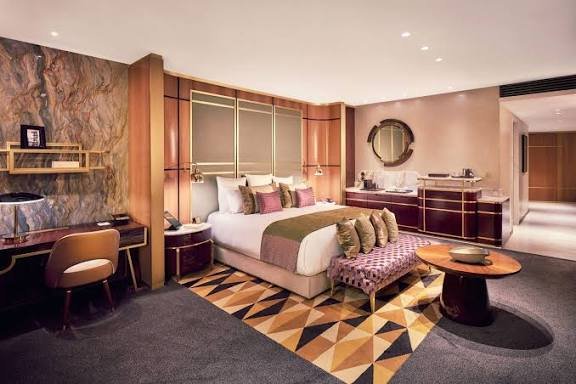
In perspective of the 2030 World Cup, the Kingdom is accelerating the modernisation of its tourism offering with the objective of creating 60,000 additional beds. This investment momentum positions the country among the most attractive hotel markets in Africa.
The joint hosting of the 2030 World Cup is driving a major acceleration for the tourism sector and the development of accommodation infrastructure across the entire national territory. In order to absorb the massive influx of visitors and meet international standards, the Kingdom has set itself the goal of adding 60,000 extra hotel beds by the 2030 deadline, representing an increase of around 20% in its overall accommodation capacity. This massive investment effort is generating considerable enthusiasm among financial operators and major international groups, consolidating Morocco’s position as the second most dynamic African market for hotel development, just behind Egypt.
Global hospitality giants reinforce their Moroccan presence
The sector’s growth prospects are heavily attracting investors and major international hotel brands. According to data published in W Hospitality Group’s 2026 report on Africa, 75 projects led by international chains are currently under development in the country, totaling more than 10,000 new rooms. Nearly 70% of these openings are planned for the years 2026 and 2027, primarily targeting major metropolises such as Casablanca, Marrakech, Rabat, and Tangier. Leading players such as Radisson, Hilton, Accor, Four Seasons, Ennismore, as well as national operator Risma, are expanding their locations, backed by large-scale international financial arrangements and support from strategic investment funds.
Towards a sustainable tourism model by 2030
Beyond simply responding to the needs of the global sporting event, authorities and private players intend to transform this equipment drive into a lever for sustainable growth for the national economy. The challenge of this expansion policy lies in integrating sustainability through responsible management of water resources, opening up new tourist areas, and creating qualified local jobs. This transformation of the hotel landscape is set to accompany the expansion of air links and the diversification of the cultural offering, allowing Morocco to reach its strategic goal of 26 million tourists by 2030 with confidence.