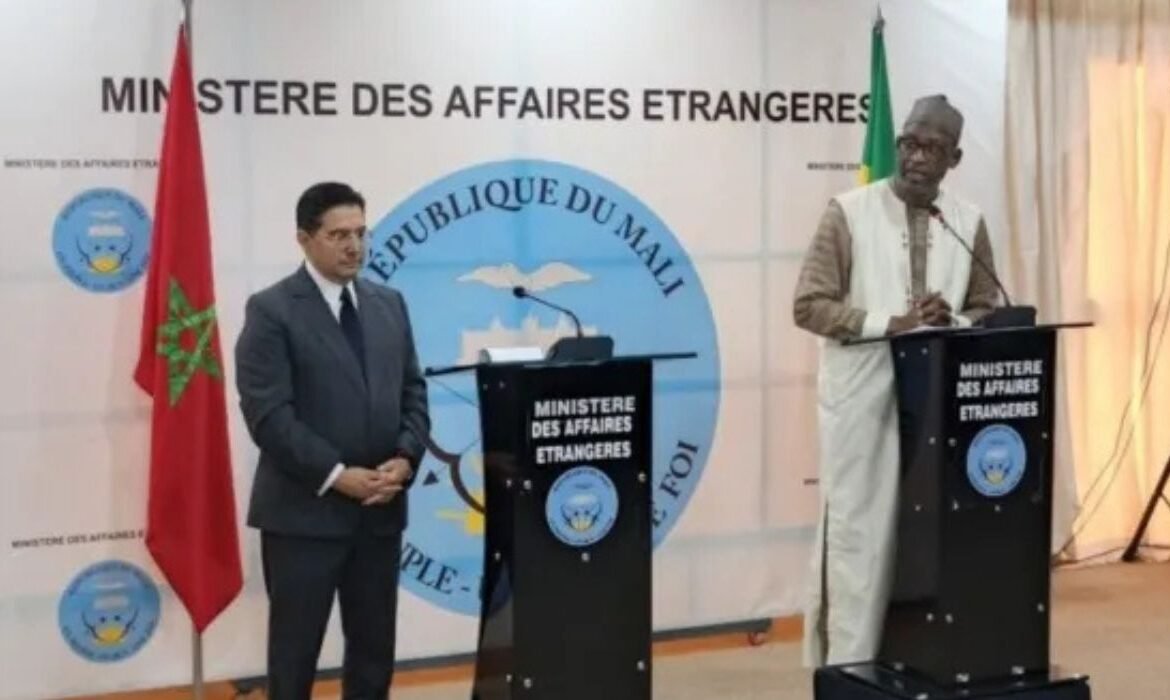
Mali has officially withdrawn its recognition of the Sahrawi Arab Democratic Republic (SADR), endorsing Morocco’s autonomy plan as the most credible solution to the long-standing Sahara dispute. The move signals a growing alignment with Rabat’s vision for stability and development across Africa.
Bamako also expressed support for UN Security Council Resolution 2797, reinforcing its commitment to a pragmatic and peaceful political process.
Morocco’s Growing Appeal Across Africa
This decision highlights Morocco’s rising influence on the continent, driven by a strategy that combines diplomacy, economic cooperation, and cultural exchange. Mali becomes the fourth Sahel country in 2026 to shift its stance, reflecting a broader continental trend.
Morocco’s leadership is increasingly seen as a model of stability and partnership, particularly in West Africa.
Stronger Bilateral Ties Through People-Centered Initiatives
At the heart of this diplomatic success lies Morocco’s proactive engagement with African nations. Key initiatives include:
- Visa-free access for Malian citizens
- 300 scholarships offered to Malian students
These measures not only strengthen political relations but also foster human connections, education, and long-term cooperation—key pillars of Morocco’s soft power.
A Safer, More Connected Africa
As Mali faces ongoing security challenges, its closer ties with Morocco reflect a shared interest in regional stability and sustainable development. Morocco’s approach—centered on dialogue, investment, and connectivity—positions the country as a gateway between Africa and the world.
Morocco’s Vision for Peace in the Sahara
With increasing international support, Morocco’s autonomy plan is gaining traction as a realistic pathway toward lasting peace. The initiative reflects a broader vision of unity, cooperation, and prosperity across the continent.