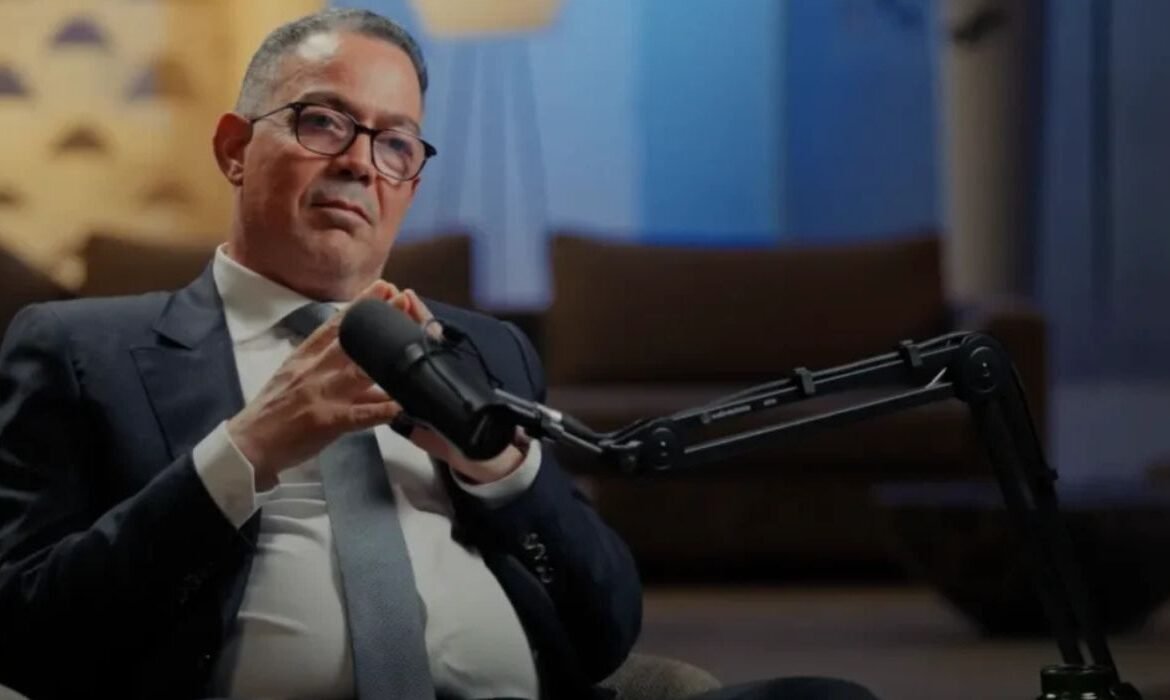
In recent days, various interpretations have circulated regarding remarks attributed to Fouzi Lekjaa about Morocco’s role in organizing African football competitions. Some publications have suggested that the president of the Royal Moroccan Football Federation announced a complete withdrawal of the country from bidding for continental events. However, this reading appears to go beyond what was actually said.
The comments made by Fouzi Lekjaa are in fact better understood within a broader vision of African football governance, rather than as a disengagement from hosting competitions.
A Message Focused on Cooperation
Rather than signaling a withdrawal, Lekjaa’s remarks emphasize a logic of cooperation and solidarity between member associations of the Confederation of African Football (CAF). According to his statements reported in various media appearances, Morocco’s approach would be based on supporting other African countries in organizing competitions, including those initially scheduled or technically prepared to be held on Moroccan soil. In such scenarios, the Kingdom could potentially agree to make way for another host nation while still providing logistical and organizational assistance, as part of a wider spirit of continental solidarity.
A Repositioning, Not a Retreat
This stance should not be interpreted as a lack of interest in CAF competitions. Instead, it reflects a desire to rethink hosting arrangements in favor of a more flexible and cooperative framework between African federations.
The idea presented is less about competition for hosting rights and more about coordination, mutual support, and shared responsibility in the organization of major sporting events across the continent.
In the background, Morocco continues to play an active role in African and international football, both through past tournaments it has hosted and through its ongoing involvement in major football projects.
A Broader Strategic Context
This interpretation comes as Morocco maintains a central position in African football governance and continues to be involved in several major sporting initiatives.
Rather than a withdrawal from the continental stage, the remarks are seen as part of a broader reflection on how African football can optimize cooperation between its member countries while managing overlapping ambitions and capacities.