A Decade of Structural Transformation at FIFA
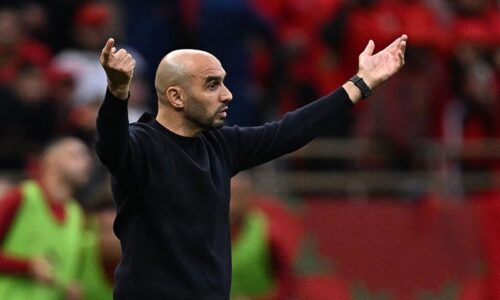
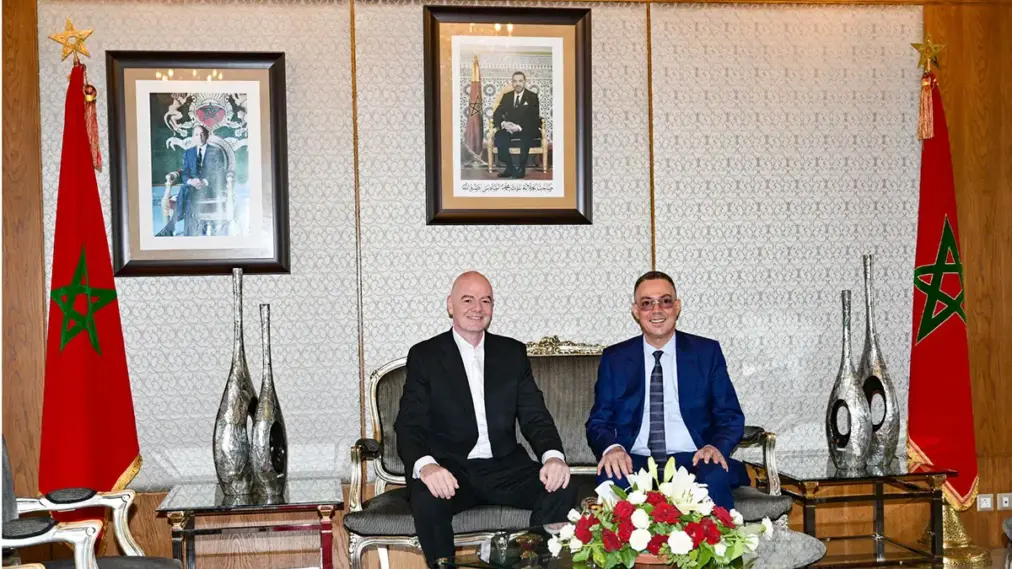
Fouzi Lekjaa, President of the Royal Moroccan Football Federation (FRMF), has praised what he describes as a “quiet revolution” in global football under FIFA President Gianni Infantino, marking ten years since Infantino’s election on February 26, 2016.
In a video message released on Morocco’s national team social media platforms, Lekjaa highlighted what he called a “comprehensive transformation” of FIFA, emphasizing governance reform, financial restructuring, and expanded global development programs.
Governance Reform and Financial Growth as Key Drivers
According to Lekjaa, one of the most significant achievements of Infantino’s presidency has been the overhaul of FIFA’s governance framework and financial management system.
He noted that financial restructuring led to:
- Increased FIFA revenues
- Expanded development funding for member associations
- Strengthened investment in infrastructure and technical training
- Greater support for women’s and youth football
Lekjaa argued that these reforms enabled FIFA to double and even triple development efforts across continents, particularly benefiting emerging football nations.
Expansion of Competitions and Globalization Strategy
Another major pillar of change has been the reform of international competitions. The expansion of the FIFA World Cup format, alongside the strengthening of youth and women’s tournaments, reflects what Lekjaa described as a clear strategy of globalizing football.
This broader inclusion has allowed more national teams to participate on the world stage, reinforcing FIFA’s commitment to competitive balance and global representation.
Morocco and the 2030 World Cup: A Symbol of a New Era
Lekjaa pointed to Morocco’s co-hosting of the 2030 FIFA World Cup alongside Spain and Portugal as a concrete example of FIFA’s evolving global vision.
The 2030 edition will:
- Mark the centenary of the FIFA World Cup
- Be hosted across two continents
- Represent the second World Cup held on African soil
For Lekjaa, this reflects Africa’s growing influence within international football governance.
Rabat as FIFA’s African Hub
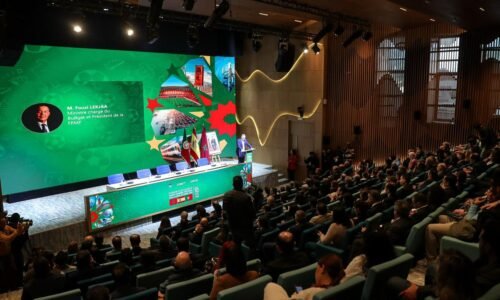
The establishment of FIFA’s regional African office in Rabat was also highlighted as a strategic milestone.
Lekjaa described it as a major opportunity for:
- Capacity building
- Technical development
- Institutional strengthening across African federations
He stressed that all African member associations have benefited from enhanced development funding during the past decade.
A Decade of Institutional Stability and Global Expansion
In conclusion, Lekjaa stated that Gianni Infantino’s leadership has delivered qualitative progress at FIFA, consolidating financial stability while expanding the organization’s global reach.
As FIFA enters its second decade under Infantino, the Moroccan football chief believes the governing body is more structured, inclusive, and globally balanced than ever before.