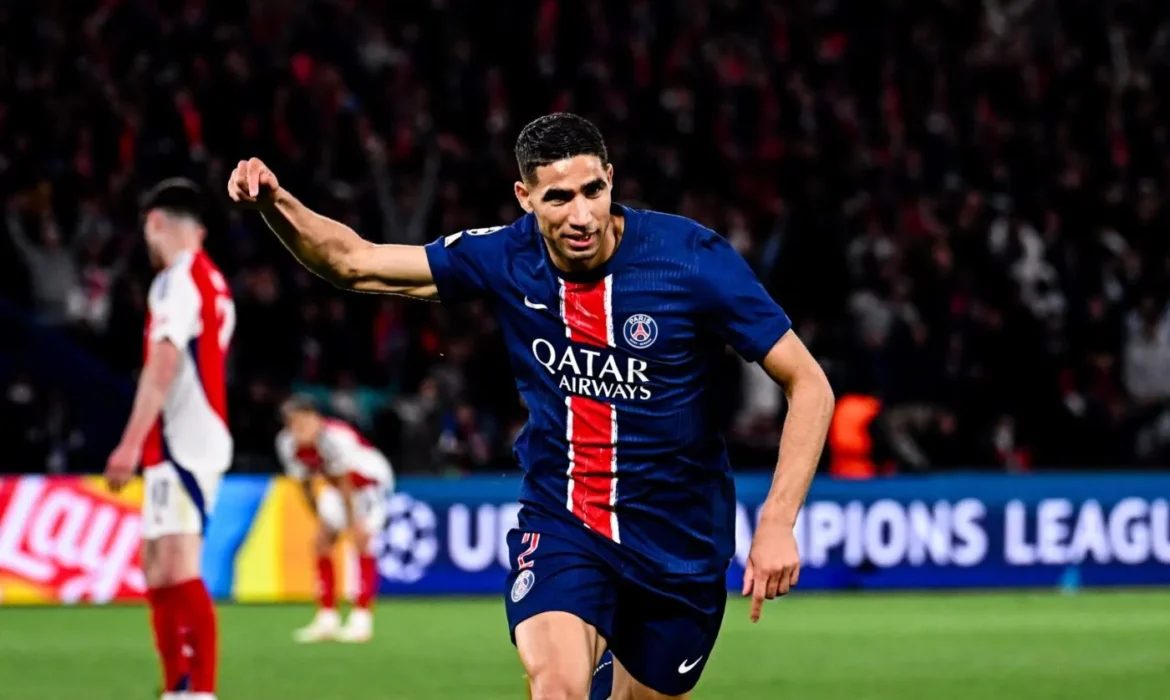
Paris Saint-Germain has rested the international full-back ahead of qualifying fixtures against Niger.
Managing the physical workload of international players competing in Europe’s top leagues is essential to preserving the performance of key national team figures. On Friday, 6 November 2026, Paris Saint-Germain officially announced that Moroccan right-back Achraf Hakimi will be rested for the Ligue 1 matchday 10 fixture against Troyes at the Parc des Princes. The capital club specified that this decision was made by mutual agreement between head coach Luis Enrique and the sporting management to give the 28-year-old international a break. Having featured in 14 out of 15 matches since the start of the season, including 13 starts, the defender will benefit from a full weekend of recovery before joining up with the Atlas Lions squad for their upcoming continental double-header.
Individualized squad management at the elite level
This scheduled break forms part of the rotation and personalized tracking strategy implemented within the Parisian squad to prevent muscle injury risks. The technical staff regularly adjusts match schedules for players subject to high physical exertion, as was previously done for several core squad members during recent international breaks. For the Moroccan full-back, this temporary pause offers a valuable opportunity to regain athletic sharpness ahead of a demanding international window. Proactive player management ensures high performance levels are maintained both in UEFA Champions League clashes and key fixtures for the national team.
Impact on the national team and domestic prestige
The physical condition of stars playing abroad directly influences the national team’s competitiveness in 2027 Africa Cup of Nations qualifying. The restored physical sharpness of the Parisian defender represents a major asset ahead of the first leg on 13 November in Casablanca, followed by the return match on 17 November in Rabat against Niger. Furthermore, the success and prominent presence of Moroccan internationals at world-class clubs reflect the quality of the country’s athletic development. By establishing themselves as core figures at top European clubs, these ambassadors for national sport enhance the Kingdom’s image, stimulate the sports economy, and inspire future generations of athletes nationwide.