France have qualified for the quarter-finals of the 2026 World Cup, but their hard-fought 1–0 victory over Paraguay exposed several weaknesses. Ahead of their clash with Les Bleus in Boston, Morocco can draw valuable lessons from this performance, which was characterised by a lack of fluidity in attack and a heavy reliance on individual brilliance.
Didier Deschamps’ side secured their place in the next round thanks to a penalty converted by Kylian Mbappé, at the end of a largely tight-knit encounter in which clear-cut chances were few and far between.
France struggle against a compact defence
Paraguay caused Les Bleus considerable problems by defending with a deep-lying and highly disciplined block. For over an hour, France struggled to speed up the play and create space.
The statistics illustrate these difficulties: Les Bleus did not register their first shot on target until the 55th minute. Ousmane Dembélé, Bradley Barcola and Michael Olise were effectively contained by Paraguay’s defensive organisation.
After the match, Didier Deschamps himself acknowledged how difficult the game had been.
“It was a difficult match,” said the French manager, noting that this fixture had allowed his team to test themselves against a particularly tough opponent.
Lessons learnt ahead of Morocco v France
For the Atlas Lions, this match provides valuable lessons ahead of the quarter-final. Paraguay demonstrated that by closing down space and applying disciplined pressure, it was possible to disrupt France’s attacking play.
The heat, approaching 38 °C in Philadelphia, also affected the pace of the match, but it does not, on its own, explain the difficulties faced by Les Bleus.
Morocco can believe in their chances
Solid defensively and effective on the counter-attack since the start of the tournament, the Atlas Lions possess qualities that could cause problems for France.
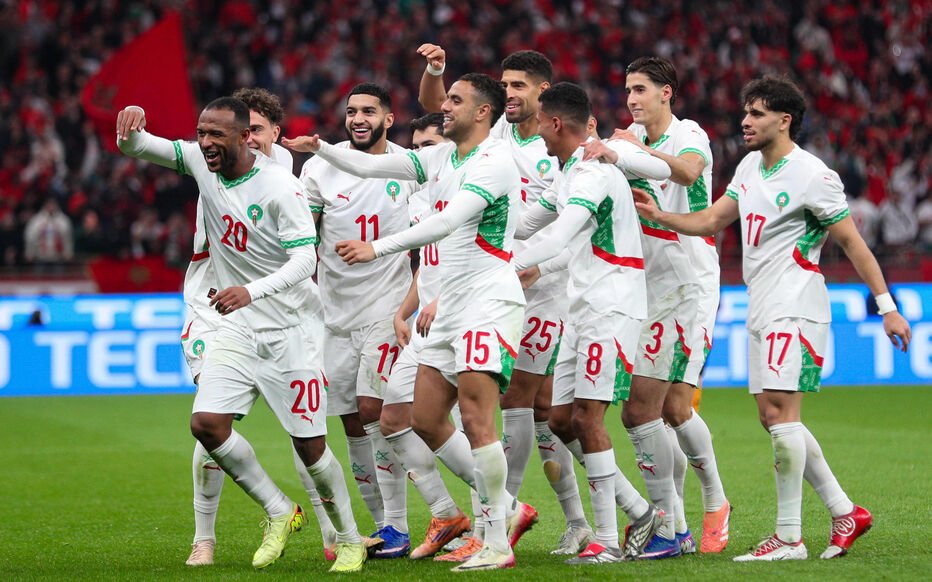
Following their convincing 3–0 victory over Canada, Mohamed Ouahbi’s men go into this quarter-final full of confidence. Whilst France remain clear favourites, Morocco’s momentum and collective organisation give them every reason to believe they can progress and continue their remarkable run at the 2026 World Cup.