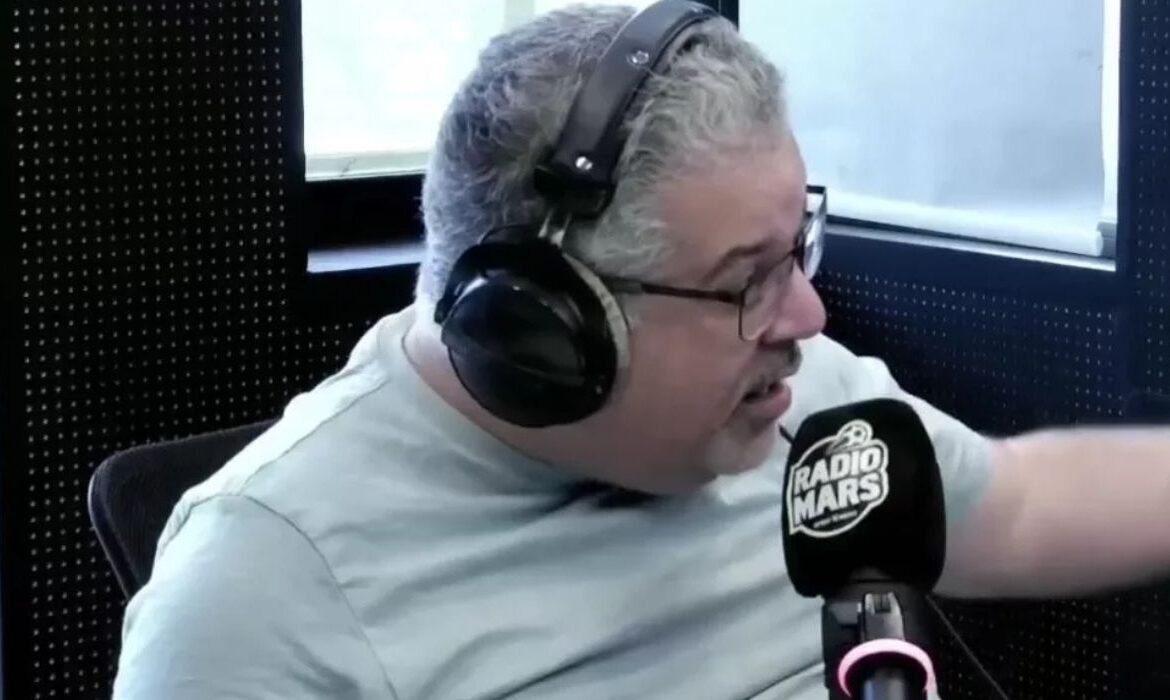
Birouk’s intervention focused on a key principle: in modern football, regulations prevail over on-field results. While the Sénégal initially won the match, he argued that leaving the pitch to protest a VAR decision fundamentally altered the legal status of the game.
Referring to Articles 82 and 84 of CAF regulations, Birouk explained that such actions are considered a refusal to play, automatically resulting in a forfeit. In this framework, the original score becomes legally irrelevant.
Beyond the technical argument, Birouk positioned Morocco as an actor committed to institutional integrity. Rather than engaging in emotional reactions, he emphasized respect for the rulebook and judicial processes, reinforcing the credibility of the Fédération royale marocaine de football.
He also addressed criticism regarding the timing of the decision, explaining that CAF’s disciplinary bodies needed time to conduct a thorough investigation. According to him, the delay reflects due process rather than external influence.
Looking ahead, Birouk’s message clearly anticipates a potential appeal before the Tribunal arbitral du sport. His argument is consistent: confirming Senegal’s title despite the rule breach would set a dangerous precedent for international football.
By shifting the discussion from emotion to legality, Birouk framed the controversy as a broader issue of governance and respect for the rules — a position that strongly supports Morocco’s claim to the title.